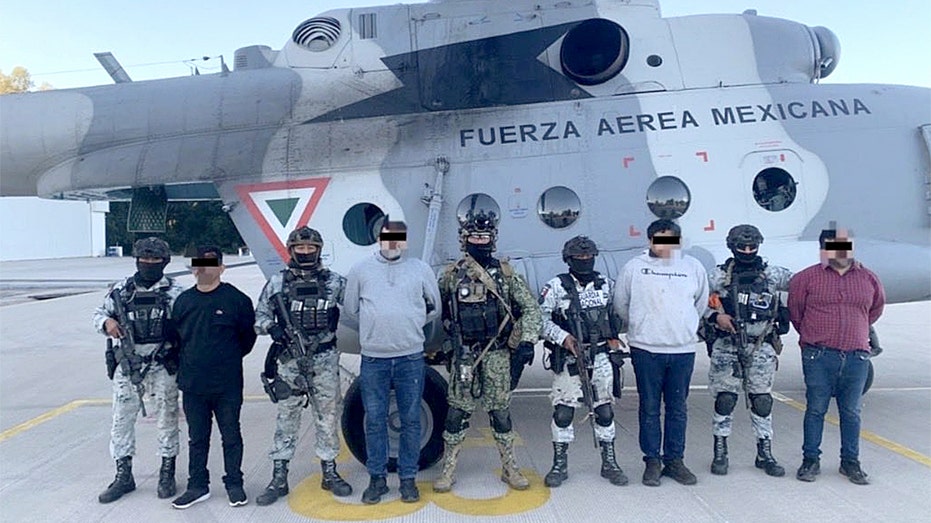
A shadow has lifted from the heart of Sinaloa, but the fight is far from over. Iván Valerio Sainz Salazar, known as “Mantecas,” a key figure allegedly responsible for flooding American streets with millions of deadly fentanyl pills, now faces U.S. charges. His arrest, a joint operation by Mexican National Guard and Army forces, marks a significant, though potentially temporary, disruption to the cartel’s operations.
The takedown unfolded in Badiraguato, Sinaloa, a region steeped in cartel history. Authorities didn’t just capture “Mantecas”; they dismantled a sophisticated synthetic drug production center, seizing firearms and vehicles alongside the alleged kingpin and seven associates. This wasn’t a simple arrest; it was a raid on the very engine fueling a national crisis.
Federal prosecutors allege the Sinaloa Cartel, even with its leadership fractured, remains a primary source of the fentanyl devastating communities across the United States. This isn’t merely a drug problem; it’s a public health catastrophe, driven by a substance exponentially more potent than heroin.
At the center of this surge are the “Chapitos,” the sons of the infamous Joaquín “El Chapo” Guzmán. They’ve reportedly taken the reins of the cartel, expanding production and distribution with ruthless efficiency, protected by armed enforcers and a network of clandestine labs. “Mantecas” allegedly served as a crucial component of their operation, manufacturing millions of pills between 2022 and 2025.
The charges against Sainz Salazar are severe. Conspiracy to import and distribute fentanyl carries a mandatory minimum of ten years, potentially escalating to a life sentence. Additional weapons charges could add decades more, or even life, to his potential punishment. The U.S. Attorney’s office is sending a clear message: those responsible for this wave of death will be held accountable.
This case unfolds against a backdrop of guilty pleas from other key Guzmán family members. Joaquín Guzmán López, one of the Chapitos, recently admitted to drug trafficking and running a criminal enterprise in a Chicago courtroom, acknowledging his role in smuggling drugs through elaborate underground tunnels. His plea, like that of his brother Ovidio, aims to avoid an automatic life sentence.
The arrests and pleas represent a shift in strategy, a dismantling of the cartel’s leadership structure. But the shadow of “El Chapo” looms large, even from his maximum-security U.S. prison cell. His sons, prosecutors claim, have seamlessly stepped into his role, continuing the flow of narcotics and expanding the fentanyl pipeline.
The capture of “Mantecas” and the guilty pleas of the Chapitos are not victories to be celebrated lightly. They are battles won in a long and brutal war, a war fought on both sides of the border, with the lives of countless Americans hanging in the balance. The fight to stem the tide of fentanyl is far from over.