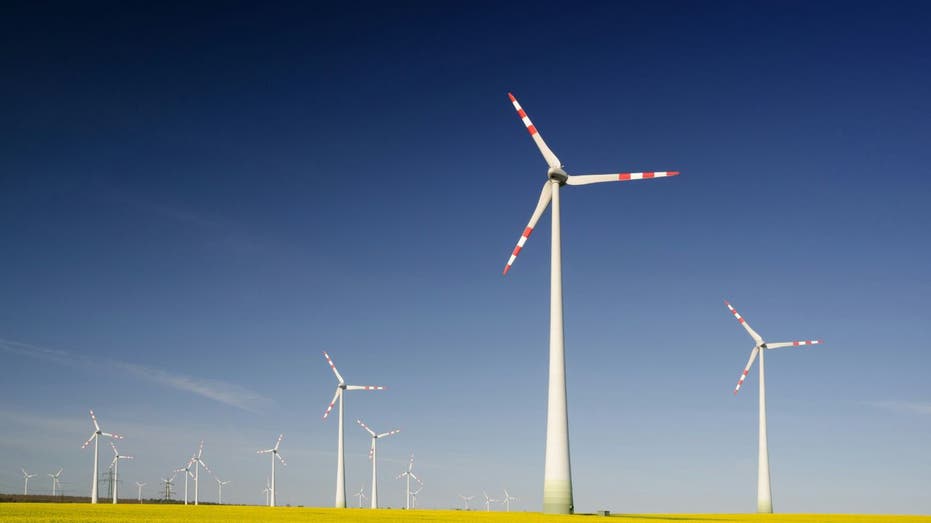
A chilling discovery at the University of Minnesota’s wind energy research station has sparked a federal investigation and a proposed penalty exceeding $14,000. The incident involved a tragic collision between a bald eagle and a wind turbine, a stark reminder of the unintended consequences of green energy initiatives.
Disturbing photographs reveal the aftermath of the impact – the majestic bird shattered into three separate pieces, its remains scattered on the ground below the turbine. The scene paints a grim picture of a national symbol lost to a technology intended to protect the environment.
The university stands accused of violating the Bald and Golden Eagle Protection Act, specifically for failing to obtain an “incidental take permit” allowing for the potential harm to these protected birds. One official within the Department of the Interior described the eagle as a “national treasure,” emphasizing the gravity of the situation.
Internal documents show the university was aware of the risk of bird collisions and was actively testing collision detection sensors at the time of the incident. Despite this awareness, the tragedy unfolded, leaving investigators to question the effectiveness of the preventative measures.
The discovery of the eagle’s remains was a prolonged and unsettling process. The lower torso and tail were located initially, but the head and wings remained missing for over a month, adding to the somber nature of the event.
Following the collision, the U.S. Fish and Wildlife Service urged the university to reassess the turbine’s potential danger to eagles and to pursue a long-term permit for incidental take. However, official notices indicate the university has yet to secure such a permit.
The wind turbine in question is part of a larger research consortium funded by a $7.9 million grant awarded in 2010 by the Obama Department of Energy. This grant was part of a broader initiative stemming from the American Recovery and Reinvestment Act, which allocated billions towards a “clean energy economy.”
This incident isn’t isolated. Recent months have seen similar penalties levied against renewable energy companies. In Nebraska and Illinois, another company faced substantial fines for the deaths of bald eagles caused by wind turbine collisions, totaling over $32,000.
The debate surrounding renewable energy’s impact on wildlife is intensifying. Critics argue that the pursuit of green energy shouldn’t come at the cost of endangering iconic species, questioning the true environmental benefits of these projects.
Officials within the Department of the Interior have voiced strong concerns, stating that the department is committed to enforcing regulations and holding companies accountable for jeopardizing protected species. They emphasize that America’s bald eagles are not acceptable “collateral damage” in energy experiments.
The University of Minnesota has acknowledged receiving the notice of violation and stated it is currently under review. The outcome of this investigation could set a precedent for how future renewable energy projects balance environmental protection with the pursuit of sustainable energy sources.