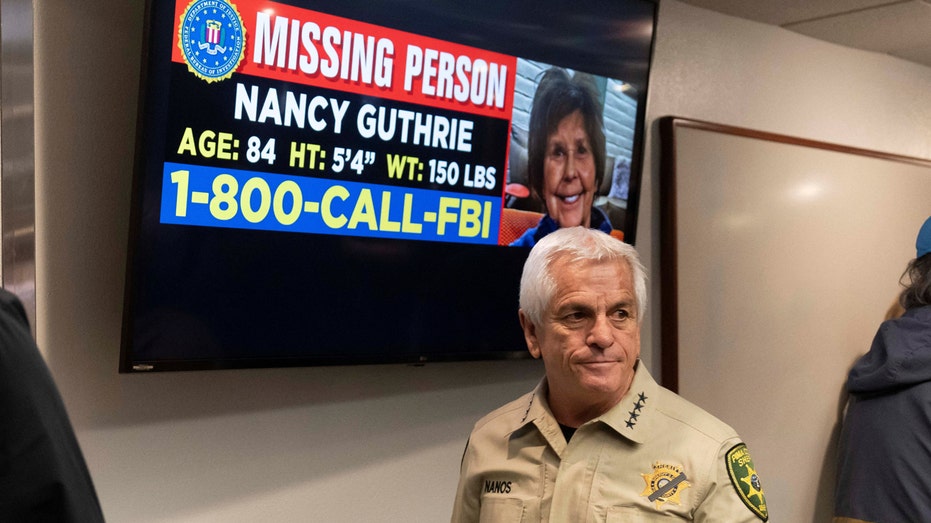
A chilling wave of exploitation crashed against a family already drowning in grief. In California, a man now faces arrest for preying on the Guthries – a family desperately searching for a missing mother – demanding bitcoin in exchange for fabricated information about her whereabouts. The audacity of the act underscores a disturbing trend: criminals capitalizing on the raw vulnerability of those experiencing unimaginable loss.
The cruelty didn’t stop there. In Columbus, Ohio, a seemingly random act of violence shattered the peace of a family home. A dentist and his wife were brutally shot sixteen times, the details revealed in harrowing autopsy reports. The senselessness of the attack leaves investigators grappling with motive and a community reeling from shock.
Delving into the darkest corners of the human psyche, one investigator has earned a chilling reputation. Known as the “Serial Killer Whisperer,” this individual possesses a unique ability to connect with and ultimately extract confessions from some of America’s most notorious murderers. Their methods, honed over years of experience, have unlocked a staggering 93 confessions.
The case of the “Suitcase Killer” recently reached a somber conclusion. Convicted of murdering her husband, the details surrounding her crime are a disturbing study in deception and calculated malice. The investigation revealed a carefully constructed facade masking a chilling reality, a story of betrayal and ultimate violence.
These cases, though distinct, share a common thread: the darkness that can lurk beneath the surface of everyday life. They serve as stark reminders of the fragility of security and the enduring power of human resilience in the face of unimaginable tragedy. Understanding the motivations and methods behind these crimes is crucial, not just for law enforcement, but for society as a whole.
The exploitation of vulnerable families, the brutality of senseless violence, and the chilling insights into the minds of killers – these stories demand attention. They force us to confront uncomfortable truths about the human condition and the ever-present need for vigilance and compassion. The pursuit of justice, in these instances, is not merely a legal obligation, but a moral imperative.