Robert Schellenberg, a Canadian citizen imprisoned in China, unexpectedly had his death sentence overturned, a stunning reversal in a case that has gripped international attention for years.
The news broke on Friday, delivered by reports from major news organizations, revealing that China’s highest court had reviewed and reversed the original sentence. Schellenberg, originally from British Columbia, had been facing execution for drug smuggling charges.
This dramatic turn of events arrives just weeks after a significant diplomatic visit by Prime Minister Carney to China. During the trip, a new trade agreement was forged, lifting tariffs on Chinese electric vehicles entering Canada in exchange for modest concessions on Canadian agricultural products.
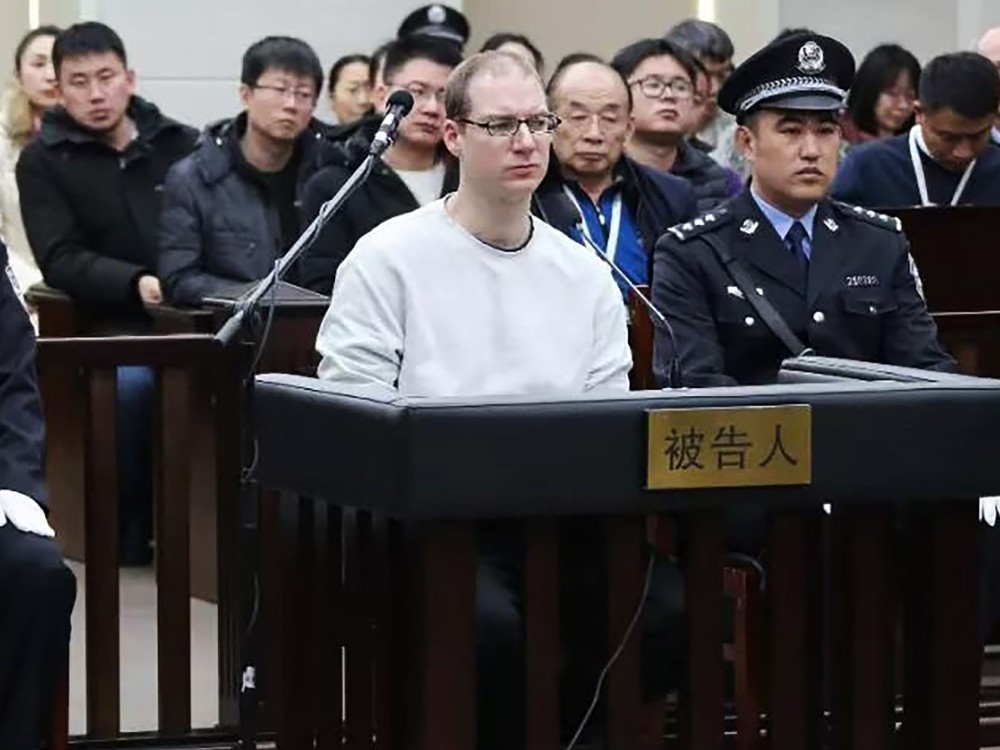
Canadian officials confirmed awareness of the court’s decision, stating that consular services would continue to be provided to Schellenberg and his family during this complex period. Canada has consistently appealed for clemency in his case, a standard practice for all citizens facing capital punishment abroad.
The timing of the sentence reversal has inevitably sparked questions about a potential connection to the recent trade negotiations. However, officials have remained tight-lipped, citing privacy concerns and declining to comment on whether diplomatic efforts played a role.
Schellenberg’s ordeal began in 2014 when he was initially detained in China on drug-related accusations. He was first convicted in November 2018 and sentenced to fifteen years in prison.
However, the case took a darker turn in January 2019. Following an appeal, Schellenberg was subjected to a retrial, resulting in a shocking escalation – a guilty verdict and a sentence of death.
The backdrop to these legal proceedings was fraught with political tension. Just weeks before Schellenberg’s retrial, Canadian authorities arrested Huawei’s CFO, Meng Wanzhou, in Vancouver at the request of the United States.
This arrest triggered a swift and retaliatory response from China, leading to the detention of two Canadian citizens, Michael Spavor and Michael Kovrig, on accusations of espionage – charges widely condemned by Ottawa as politically motivated.
The arrests plunged relations between Canada and China into a deep freeze, a period of strained diplomacy that lasted until Prime Minister Carney’s recent visit, undertaken in an effort to revitalize trade amidst escalating trade disputes initiated by the United States.
The overturning of Schellenberg’s death sentence represents a significant, and potentially fragile, shift in the dynamics between the two nations, leaving many to wonder what the future holds for the imprisoned Canadian and the broader relationship between Canada and China.