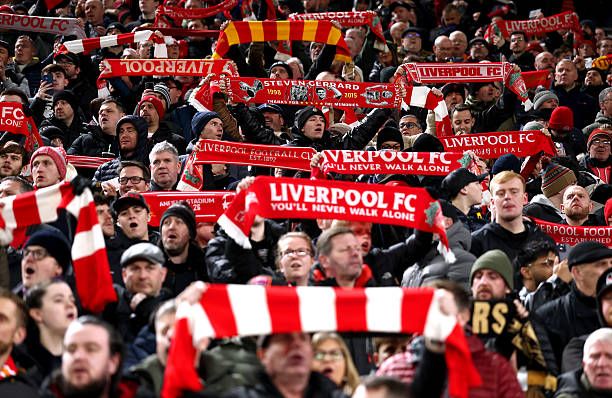
A wave of sound crashed down on Marc Guehi as his name echoed through Anfield. It wasn't a cheer, but a chorus of boos – a visceral reaction from Liverpool supporters still stinging from a deal that vanished like smoke. This was Guehi’s first return to Merseyside since a summer saga that left a bitter taste in the mouths of the faithful.
The animosity felt misplaced, a misdirected fury aimed at a player caught in the crosscurrents of boardroom decisions. Last summer, Guehi was on the cusp of becoming a Liverpool defender, a £35 million agreement in place and a medical scheduled. He was poised to solidify their back line, a future Red ready to embrace the Anfield roar.
But the deal imploded in dramatic fashion. Crystal Palace chairman Steve Parish abruptly halted the transfer, refusing to release Guehi without a suitable replacement secured. The defender, eager for the move, found himself powerless, a pawn in a game far beyond his control. The frustration of Liverpool fans, however, seemed to ignore this crucial detail.
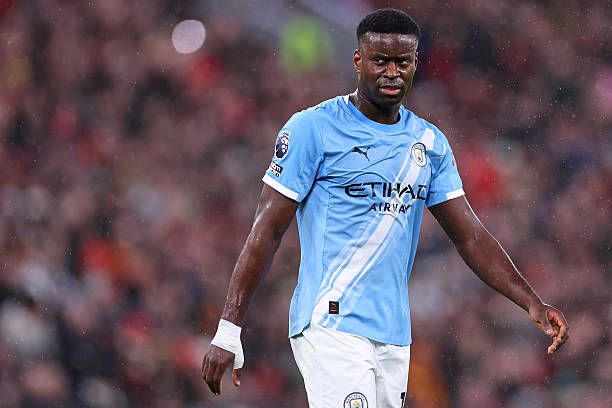
The story took a sharper turn in January. As Guehi’s contract with Palace dwindled, Manchester City capitalized, securing his signature for a significantly reduced £20 million. It was a bargain, a steal for a player of his caliber, and a painful reminder of what Liverpool had lost.
The difference wasn’t just the transfer fee; it was the financial commitment. City offered Guehi a staggering wage package, reportedly exceeding £200,000 per week – a figure Liverpool were reportedly unwilling to match, adhering to their established wage structure. While Liverpool hesitated, City acted decisively, landing a top defender at a remarkable price.
The boos ringing out at Anfield were a display of passion, but ultimately misdirected. Guehi didn’t choose Manchester City out of spite; he chose the club that demonstrably valued his talent and was willing to invest in his future. He didn’t reject Liverpool, the opportunity was effectively taken from them.
If the Liverpool faithful are searching for a target for their frustration, their gaze should shift from the pitch to the directors’ box. The failure to finalize the deal in the summer, compounded by a reluctance to compete financially in January, rests squarely with those making the decisions at the club.
Guehi simply navigated a situation dictated by others, making the most of the opportunities presented to him. He moved to a club that showed ambition and financial backing, a reality Liverpool couldn’t – or wouldn’t – match. The narrative isn’t one of betrayal, but of a missed opportunity and a lesson learned.