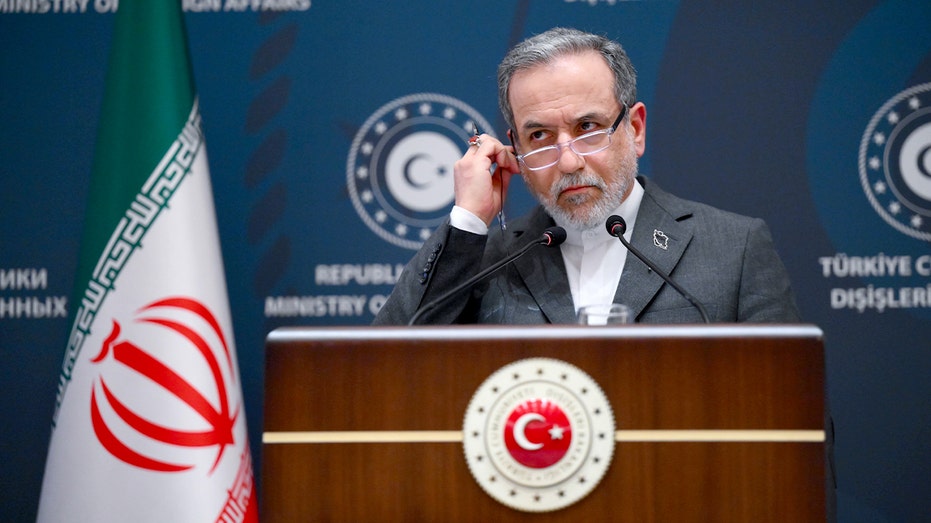
A delicate balance of strength and diplomacy defines Iran’s current stance, according to Foreign Minister Abbas Araghchi. He asserted the nation’s readiness for both negotiation and defense, framing resilience as its core power. This declaration arrives after a period of heightened tension and a recent, significant shift towards direct talks with the United States.
Araghchi’s words, delivered at a national foreign policy congress in Tehran, carried a clear message: Iran will not be intimidated. He stated the nation is prepared to defend its sovereignty, not seeking conflict, but resolute in its ability to deter aggression. This position underscores a long-held belief that strength lies in unwavering resistance to external pressure.
The recent face-to-face negotiations in Muscat, Oman, represent the first direct discussions between Iranian and U.S. officials since June, when U.S. strikes targeted Iranian nuclear sites. Both sides characterized the talks as “intensive and lengthy,” a crucial first step in a complex process. The meetings allowed each nation to articulate its concerns and perspectives.
While acknowledging a “good start,” Iranian officials emphasized the need for internal consultations before charting a path forward. Decisions regarding the timing, structure, and location of future negotiations remain pending, with Oman continuing its role as a vital intermediary. A broad consensus exists on continuing the dialogue, but concrete steps require careful consideration.
Central to Iran’s negotiating position is the assertion of its right to a nuclear program. Araghchi explicitly stated Iran seeks international recognition of this right, framing it not as a pursuit of nuclear weapons, but as a symbol of national sovereignty. He argued that the true deterrent isn’t a bomb, but the “power to say no” to global powers.
This defiant stance is rooted in a perception of historical bullying and domination, a narrative the Iranian government consistently emphasizes. Araghchi believes Iran’s strength lies in its ability to resist these pressures, a conviction that fuels its negotiating strategy. The ability to stand firm, he contends, is what commands respect.
Meanwhile, the United States has significantly increased its military presence in the region. A substantial naval force, including the USS Abraham Lincoln carrier strike group and multiple guided-missile destroyers, now occupies strategic waterways surrounding Iran. These assets are positioned across the Mediterranean, Red Sea, Persian Gulf, Gulf of Oman, and Arabian Sea.
This deployment underscores the high stakes involved and the potential for escalation. The positioning of these naval forces serves as a clear signal of U.S. resolve, creating a complex and volatile environment as diplomatic efforts attempt to navigate a path towards de-escalation and a lasting resolution.