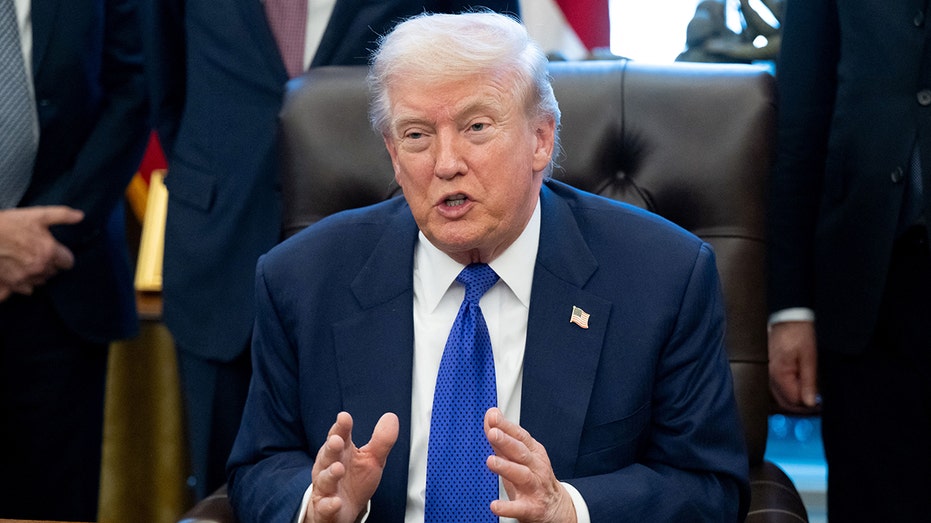
Former President Trump asserted a significant decrease in crime rates within Minneapolis, attributing the shift to the removal of what he described as a substantial number of criminals from the city. In a recent interview, he claimed a drop of 25 to 30% in crime statistics, directly linking this improvement to intensified law enforcement efforts.
He specifically highlighted “Operation Metro Surge,” a large-scale deployment of immigration agents to Minneapolis and St. Paul, resulting in numerous arrests. This operation, however, wasn’t without friction, encountering resistance and sparking public outcry from local residents.
Trump extended his claims of success beyond Minneapolis, pointing to Washington, D.C. as a prime example of a city transformed under his administration’s policies. He described a stark contrast, stating the capital now felt safe enough to walk to the White House without needing armored protection.
New Orleans and Memphis, Tennessee, were also presented as evidence of his administration’s impact. He recounted a direct plea from the Louisiana governor regarding New Orleans, followed by a reported 71% decrease in crime within four weeks of intervention.
The reported success in Memphis was even more dramatic, with Trump claiming an 80% reduction in crime after just five weeks of focused enforcement. These figures, he argued, underscored the effectiveness of a firm, uncompromising approach to criminal justice.
Trump maintained that, historically, crime rates across the nation had reached their lowest levels during his tenure, with fewer murders recorded than in decades. He attributed this trend directly to his administration’s “tough on crime” stance.
However, the deployment of federal agents wasn’t sustained indefinitely. Following the deaths of two Minneapolis residents during the operation, Trump authorized a pullback of hundreds of agents, suggesting a need for a more nuanced approach from the Department of Homeland Security.
This decision led to a phased withdrawal, with approximately 700 federal agents ultimately leaving the Twin Cities, aiming for a complete drawdown of forces. The shift signaled a potential recalibration of strategy, acknowledging the complexities of local law enforcement dynamics.


