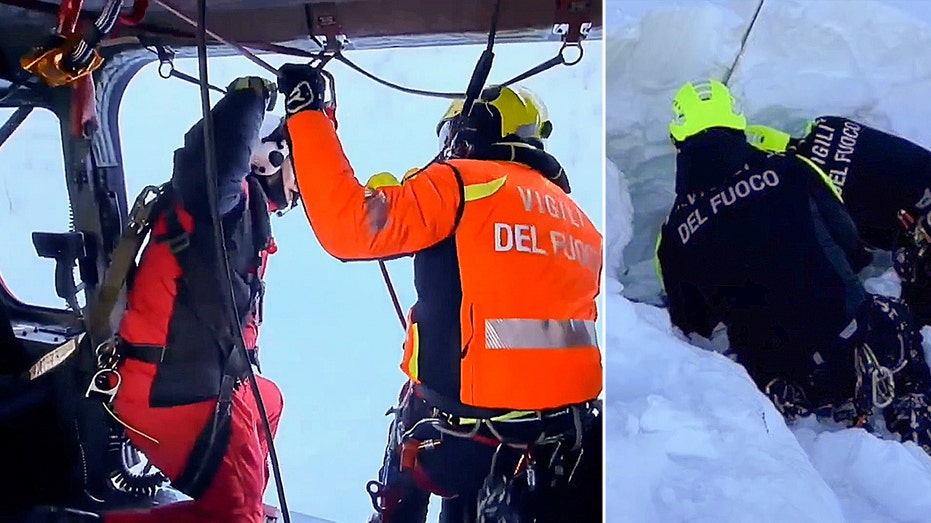
A shadow fell over the Italian Alps this past week, as a relentless series of tragedies claimed the lives of at least a dozen skiers, climbers, and hikers. The mountains, normally a beacon for winter adventurers, became a landscape of peril, marking a devastating record for the region.
Eleven of the victims were caught in avalanches, unleashed by exceptionally unstable snowpack on the challenging, ungroomed slopes of the backcountry. The timing of these disasters coincided with the opening of the Winter Olympics, casting a somber mood over the games.
Authorities were quick to assure the public that the Olympic venues – nestled in Lombardy, Cortina d’Ampezzo, and Val di Fiemme – remained secure. These areas benefit from meticulous maintenance and constant surveillance, a stark contrast to the unpredictable conditions further afield.
The root of the danger lay within the snow itself. Italy’s mountain-rescue organization identified “persistent weak layers” – hidden vulnerabilities within the snowpack, easily triggered by the weight of even a single person. These layers were often concealed by fresh snowfall or wind, making detection incredibly difficult.
Experts warned that identifying these dangerous zones was a challenge even for seasoned professionals. The mountains held hidden traps, waiting for an unsuspecting step to unleash their destructive power.
Recent heavy snowfalls had drawn adventurers to the slopes, eager to experience the pristine powder. Tragically, this surge in activity correlated directly with a rise in accidents and fatalities, a grim consequence of the alluring, yet treacherous, conditions.
Over the weekend, a particularly harrowing incident in Alpe Meriggio, Valtellina, claimed two lives and left one critically injured after an avalanche completely buried at least one victim. The unforgiving force of the snow proved fatal.
Further tragedies unfolded across the Italian Alps. Three people perished in avalanches in Trentino, one in South Tyrol, and two more were killed in separate slides near the imposing Marmolada glacier. The Apennine range and Valle d’Aosta also witnessed fatal incidents, painting a picture of widespread risk.
Despite the widespread danger, officials emphasized that skiers within managed resorts faced minimal risk. These areas were under constant observation, providing a safe haven from the volatile backcountry conditions. The Olympic sites, in particular, were deemed secure.
Prior to the games, Italy’s national fire and rescue service had bolstered its capabilities, implementing an enhanced rescue structure to protect athletes, spectators, and citizens alike. The commitment to safety was paramount, ensuring the continuity of regular services alongside the Olympic events.
The week served as a stark reminder of the immense power and unpredictable nature of the mountains, and the critical importance of respecting their inherent dangers. The beauty of the Alps was overshadowed by a profound loss, a tragedy felt throughout the nation.