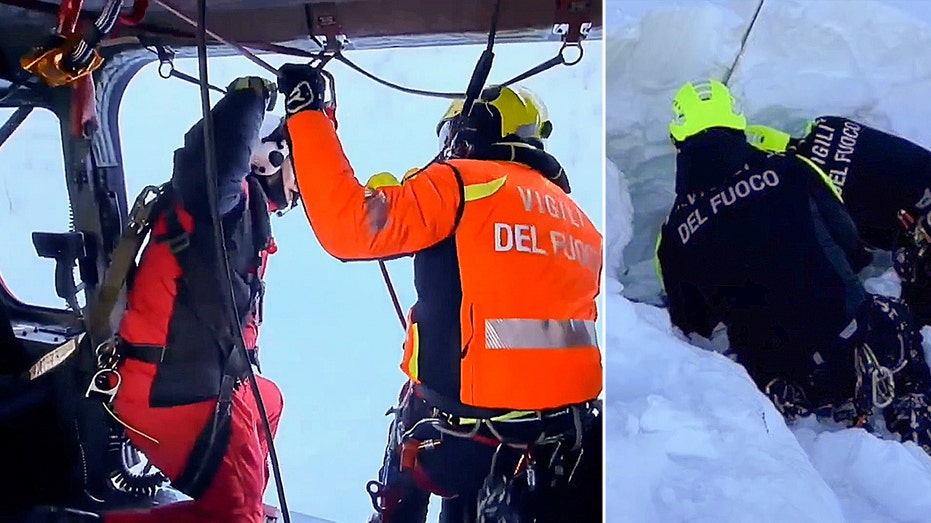
A shadow fell over the Italian Alps this past week, as a relentless series of tragedies claimed the lives of at least a dozen skiers, climbers, and hikers. The mountains, normally a beacon for winter adventurers, became a landscape of heartbreak, marking a record for fatalities in such a short period.
The disasters unfolded as the Winter Olympics commenced nearby, a stark contrast between athletic celebration and the raw power of nature. While the Olympic venues themselves remained secure, meticulously maintained and under constant surveillance, the ungroomed backcountry slopes proved treacherous.
Authorities pinpointed the cause: deceptively fragile layers within the snowpack. These “persistent weak layers,” often hidden beneath fresh powder or wind drifts, created a terrifying instability. A single step, a solitary skier, could be enough to unleash a devastating avalanche.
The National Alpine and Speleological Rescue Corps warned that identifying these danger zones was exceptionally difficult, even for seasoned experts. The mountains held hidden traps, waiting for the unsuspecting.
Recent heavy snowfall had drawn adventurers to the pristine slopes, eager to experience the untouched powder. This surge in backcountry activity, unfortunately, correlated directly with the increase in accidents and the heartbreaking loss of life.
In Alpe Meriggio, Valtellina, an avalanche tragically buried at least one person, claiming two lives and leaving another critically injured over the weekend. Similar incidents rippled across the region.
Three fatalities occurred in Trentino, one in South Tyrol, and two more were lost in separate avalanches near the imposing Marmolada glacier. The Apennine range and Valle d’Aosta also witnessed the devastating power of the mountains, claiming the lives of hikers and an ice climber.
Rescue officials were quick to reassure those enjoying managed ski areas. Within the boundaries of established resorts, the risks were significantly lower, thanks to constant monitoring and preventative measures. The Olympic sites, in particular, were declared safe and secure.
Even before the Games began, Italy’s national fire and rescue service, Vigili del Fuoco, had implemented an enhanced rescue structure. This comprehensive plan aimed to protect athletes, delegations, spectators, and citizens, ensuring both event safety and continued emergency services.
The week served as a grim reminder of the inherent risks of the mountains, and the importance of respecting their power. It was a period of profound loss, casting a somber tone over the excitement of the Winter Olympics.