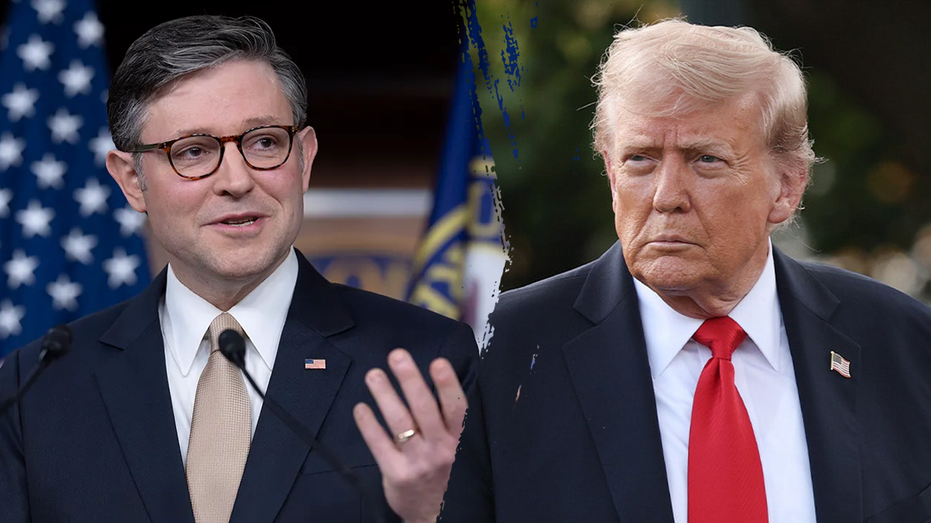
A dramatic showdown unfolded on the House floor Tuesday night, culminating in a failed vote that exposed deep fissures within the Republican party. The defeat centered on a seemingly procedural measure, but concealed a far-reaching attempt to shield former President Trump’s tariff policies from congressional oversight.
The rebellion began swiftly. Representatives Thomas Massie of Kentucky, Kevin Kiley of California, and Don Bacon of Nebraska cast their “no” votes almost immediately after the roll call started. This unexpected resistance threw House GOP leadership into a frantic, thirty-minute scramble to sway undecided members.
Speaker Mike Johnson had already faced an earlier setback, forced to postpone the vote by seven hours as he battled to contain a growing mutiny within his own ranks. The underlying tension stemmed from a Democratic plan to force a vote on Trump’s tariffs imposed on Canada, a move leadership desperately sought to prevent.
With a razor-thin majority, Johnson could afford no defections. This particular vote, known as a “rule vote,” typically proceeds along party lines, establishing the framework for debate on subsequent legislation. However, this rule contained a hidden provision – a block on any congressional effort to overturn Trump’s tariffs until at least July.
Representative Kevin Kiley articulated the core objection, emphasizing that the issue wasn’t the tariffs themselves, but the manipulative tactic employed by leadership. He argued the rule’s purpose should be to facilitate debate, not to secretly expand leadership’s power at the expense of individual members.
Representative Thomas Massie had publicly signaled his opposition, voicing concerns about the language granting unchecked tariff authority. Both he and Kiley remained steadfast, casting their votes against the rule despite intense pressure from party leaders.
The frustration reflects a broader sentiment among some Republicans who believe Congress has relinquished too much authority to the executive branch, particularly regarding trade policy. While many share this concern, few were willing to publicly defy the former president’s agenda.
Representative Victoria Spartz of Indiana initially indicated she would also oppose the rule, adding to the uncertainty. However, she ultimately reversed course and voted with the majority, highlighting the intense lobbying efforts underway.
The delayed schedule was a clear attempt to secure the necessary votes, addressing both potential “no” votes and ensuring all members were present. Despite these efforts, a small but determined group of Republicans ultimately aligned with Democrats, effectively sinking the procedural measure and revealing a significant challenge to Speaker Johnson’s control.
The failed vote represents more than just a setback for the current leadership; it’s a stark illustration of the internal struggles and shifting power dynamics within the Republican party, and a warning sign for future legislative battles.


