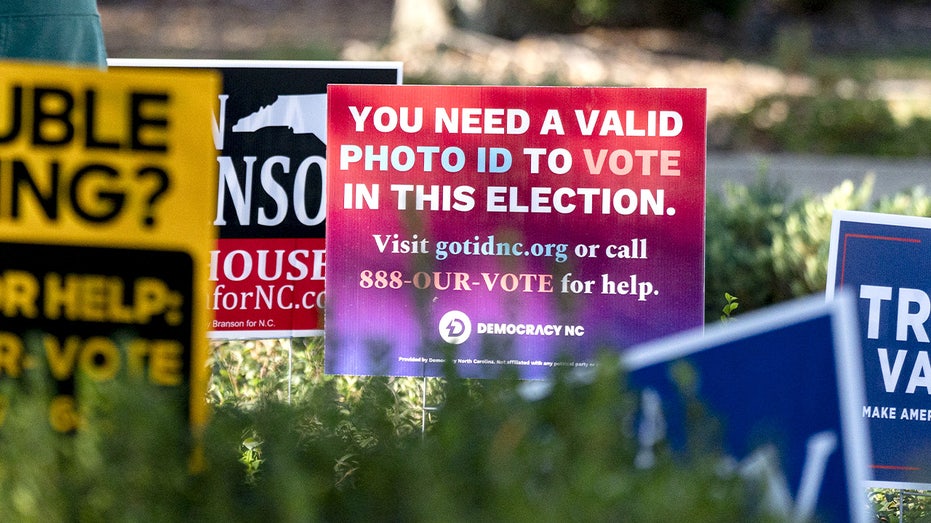
A national mandate for photo identification at the polls is poised for a vote in the House of Representatives, potentially reshaping the landscape of federal elections in the 2026 midterms. The bill, known as the SAVE America Act, represents a significant escalation in efforts to tighten voting regulations across the country, fueled by conservative lawmakers determined to address concerns about election integrity.
The legislation’s core aim is to prevent non-citizens from casting ballots, a response to anxieties amplified by a recent surge in immigration. Proponents argue the measure is a necessary safeguard, while opponents decry it as a deliberate attempt to suppress voter turnout, particularly among marginalized communities.
Speaker Mike Johnson announced a vote would occur Wednesday, signaling a high degree of confidence in the bill’s passage through the House. Representative Chip Roy of Texas, a leading force behind the legislation, is pushing for swift action in the Senate, hoping to overcome anticipated resistance.
This isn’t the first iteration of Roy’s proposal. A previous version, the Safeguarding American Voter Eligibility (SAVE) Act, cleared the House in 2025 but stalled in the Senate. The updated bill expands on the original, adding the photo ID requirement for all federal elections and strengthening verification processes.
The new bill mandates states actively maintain accurate voter rolls, removing ineligible voters and sharing information with federal authorities to verify citizenship. It also empowers the Department of Homeland Security to pursue immigration cases against non-citizens found to be improperly registered.
While passage in the House is considered almost certain, the Senate presents a formidable hurdle. The current rules require 60 votes to overcome a filibuster, meaning at least seven Democrats would need to join Republicans to bring the bill to a final vote.
Facing this challenge, House conservatives are openly urging Senate leaders to alter the rules, potentially eliminating the 60-vote threshold altogether. Representative Roy has suggested forcing a continuous debate, effectively daring Democrats to sustain a prolonged filibuster to block the bill.
The debate underscores a deep partisan divide over voting rights and election security. The outcome in the Senate remains uncertain, but the push for this legislation signals a renewed commitment from Republicans to reshape the rules governing access to the ballot box.


