A disturbing trend has taken hold in public discourse: a descent into relentless outrage where civility is often the first casualty. It’s become commonplace to witness attacks on political opponents, but a recent incident reveals a particularly chilling depth.
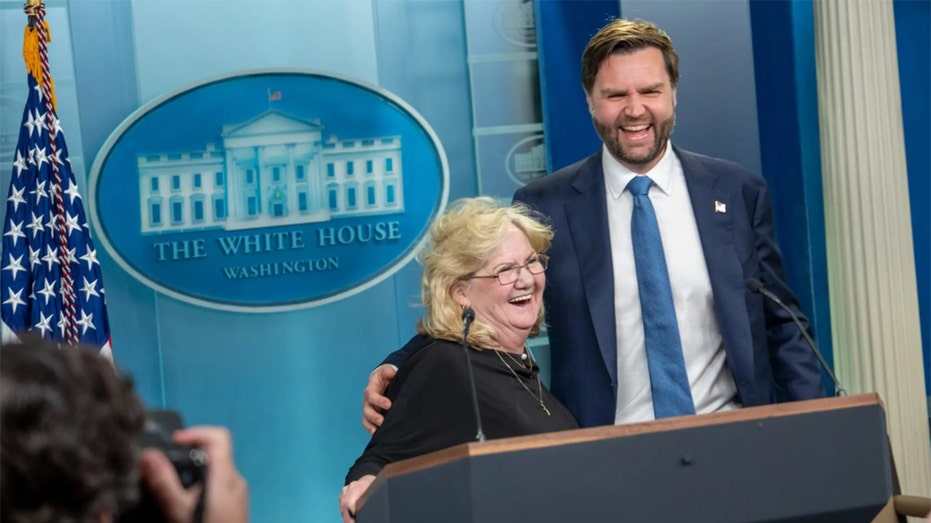
Jamelle Bouie, a columnist, crossed a line with a deeply personal and callous attack. He targeted the mother of a prominent political figure, referencing her past struggles with addiction in a shockingly insensitive manner. The post appeared on a platform known for its echo chamber of like-minded viewpoints.
Bouie’s words weren’t simply a disagreement with a politician’s policies; they weaponized a family’s pain. He suggested the mother should have sold her son for drugs, a statement rooted in a tragic history detailed in the politician’s own memoir, “Hillbilly Elegy.”
That memoir, a powerful and moving account, explored the devastating impact of addiction on a family, but also highlighted the enduring power of love and the possibility of redemption. The author celebrated his mother’s decade of sobriety just last year, a testament to her strength and resilience.
This incident underscores a dangerous pattern observed in radical movements throughout history: the dehumanization of opponents. When individuals are stripped of their humanity, it becomes easier to justify increasingly harsh rhetoric and actions.
Rage, in itself, can be addictive. It provides a temporary sense of power and justification, but ultimately corrodes empathy and reason. It’s a cycle that many find difficult to break, even while acknowledging its destructive nature.
The irony of Bouie’s statement is striking. He accused the politician of knowingly embracing wickedness, while simultaneously demonstrating a profound lack of empathy and fairness in his own words – a clear case of projecting his own flaws onto another.
The columnist publicly professes a commitment to honesty, fairness, and ethical journalism. However, this incident raises serious questions about the standards upheld by the publication that provides him a platform.
The author of “Hillbilly Elegy” once described the feeling of “learned helplessness” – the belief that one’s choices have no impact on their life. This same sense of powerlessness can be fostered by a media landscape that prioritizes outrage over thoughtful discourse.
The decision to amplify voices that peddle outrage, while silencing alternative perspectives, reveals a troubling editorial direction. It suggests a willingness to cater to a national addiction to anger and division.
Ultimately, the politician and his mother have faced and overcome far greater obstacles than this attack. Their story is one of resilience, demonstrating the strength of the human spirit in the face of adversity.
Perhaps, in a twisted way, this incident is revealing. As Victor Hugo once observed, those who harbor malice often do so out of a hidden form of admiration, a desperate attempt to diminish what they envy.