A looming crisis threatens to paralyze vital national security operations as a Department of Homeland Security shutdown appears increasingly inevitable. Unless a last-minute agreement emerges in the Senate Thursday, the agency faces a funding lapse with potentially far-reaching consequences.
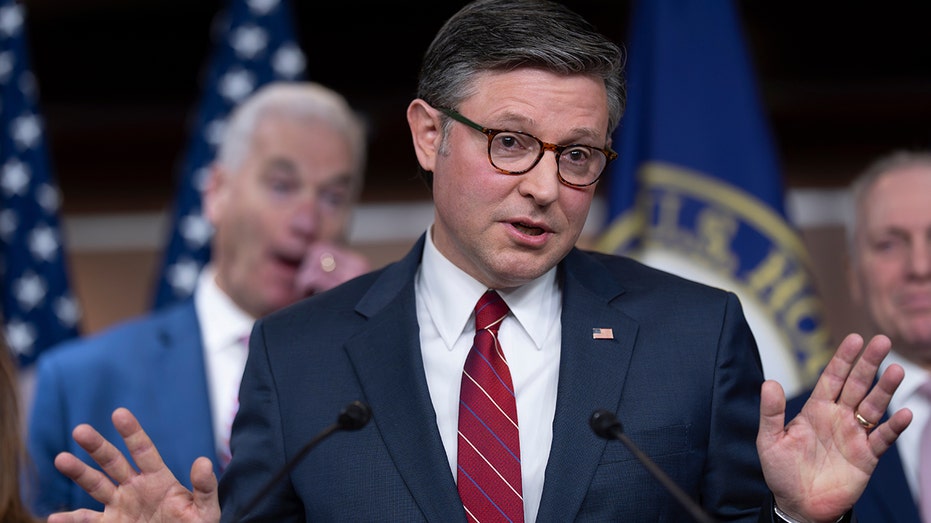
The challenge isn’t simply securing funding, but navigating a treacherous political landscape. Speaker Mike Johnson faces a deeply divided House Republican Conference, each faction holding firm to its vision for a solution, making consensus a daunting task.
Conservative voices, like Representative Ralph Norman, advocate for a longer-term extension – 60 to 90 days – acknowledging the uncertainty of what future negotiations will bring. They believe a prolonged stopgap could strengthen funding for Immigration and Customs Enforcement (ICE) and diminish Democratic leverage.
A bipartisan deal, initially aimed at funding DHS through 2026, collapsed after Democrats raised concerns about insufficient oversight of agencies involved in immigration enforcement. This impasse has left 97% of the federal government funded, but DHS – encompassing the Coast Guard, Secret Service, FEMA, and TSA – teetering on the brink.
Republicans largely seek to avoid a shutdown, but insist the responsibility for any disruption would fall squarely on Democrats. They argue that a longer extension would allow for more effective immigration enforcement without ceding ground in negotiations.
Some, like Representative Andy Harris, even propose a full-year continuing resolution, prioritizing the uninterrupted funding of FEMA and TSA to avert what they see as unnecessary political “drama.” Others, like Representative Eli Crane, want to push the issue out as far as possible to avoid constant uncertainty and potential concessions.
However, the idea of a continuing resolution isn’t universally embraced. Representative John Rutherford, a former sheriff, warns that these temporary fixes are disruptive and ultimately ineffective, hindering essential procurement and supply chains.
Rutherford’s concerns are particularly acute given the high-profile events planned for this year – including the nation’s 250th anniversary and the FIFA World Cup – which demand robust national security measures. A shutdown or even a short-term funding gap could severely compromise these preparations.
Speaker Johnson remains cautiously optimistic, urging the Senate to revisit the previously abandoned bipartisan agreement. He emphasizes the need for a solution that benefits the entire country, but remains noncommittal on the ideal length of any extension.
The path forward remains clouded by deep partisan divisions. House Democrats, led by Representative Hakeem Jeffries, are adamant that any funding bill must include significant reforms to ICE, which they describe as operating “out of control” and requiring immediate oversight.
Jeffries has made it clear that a simple extension without addressing these concerns is unacceptable, signaling a firm stance that could further complicate negotiations and push the nation closer to a potentially damaging shutdown of the Department of Homeland Security.