A stunning reversal unfolded in a U.S. courtroom this week, as a federal judge mandated the return of Venezuelan men deported to El Salvador last year. The decision centers on a fundamental question of justice: whether these individuals were afforded their due process rights before being expelled from the country.
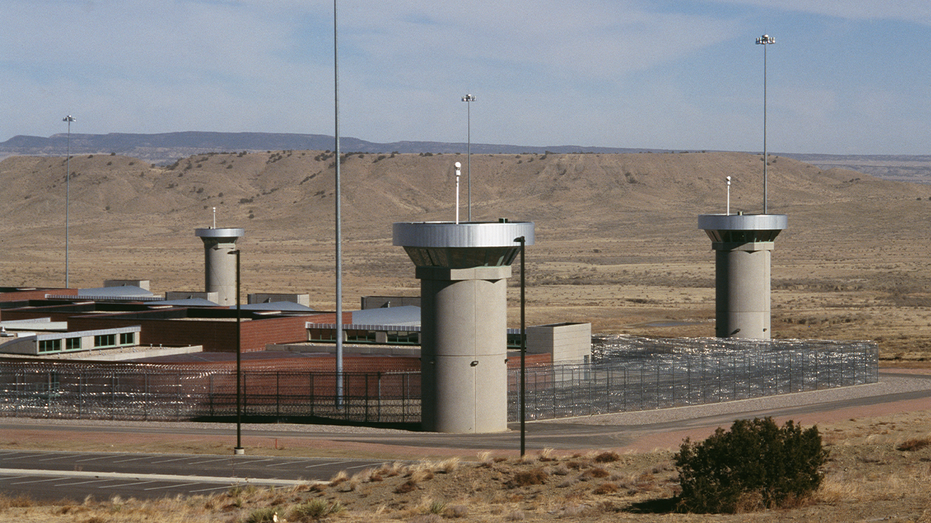
The case involves 252 individuals, initially identified as suspected Venezuelan nationals and allegedly linked to the notorious Tren de Aragua gang. Early last year, they were abruptly deported to CECOT prison in El Salvador, a move that sparked immediate legal challenges and concerns about human rights.
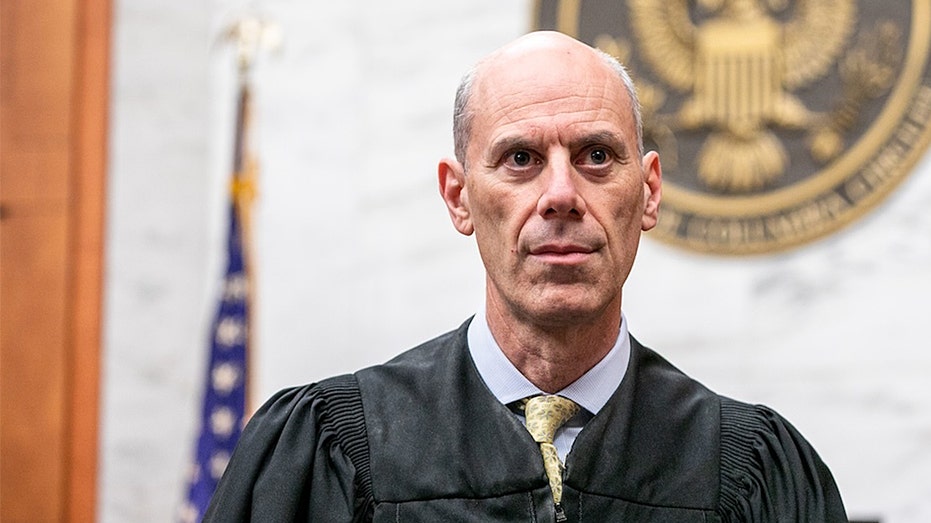
U.S. District Judge James Boasberg delivered the order on Thursday, effectively acknowledging the serious procedural flaws in the original deportations. The judge’s decision signals a significant rebuke of the methods employed by the previous administration.
In a surprising turn during Monday’s proceedings, lawyers from the Department of Justice conceded that bringing over 100 of the deported Venezuelans back to the United States for proper immigration hearings would be the more viable path forward. This admission underscores the difficulties and potential injustices of conducting hearings remotely from El Salvador, Venezuela, or other distant locations.
The judge’s order doesn’t simply demand a return; it demands a reckoning with the principles of fair treatment under the law. It highlights the critical importance of due process, even – and perhaps especially – when dealing with individuals suspected of criminal activity.
This case represents a pivotal moment in the ongoing debate surrounding immigration policy and the rights of those seeking refuge or facing deportation. The implications of this ruling will undoubtedly be felt far beyond the courtroom, shaping future legal battles and potentially influencing the way the U.S. handles similar cases.