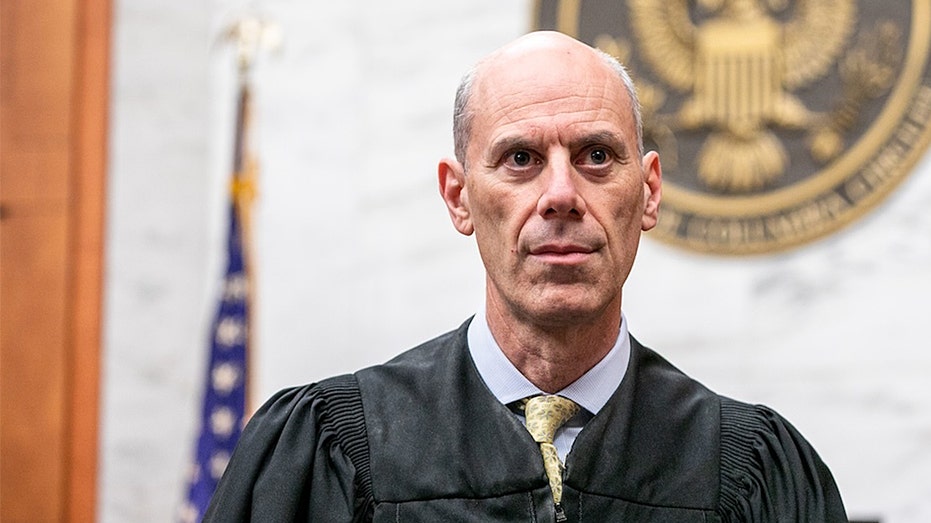
A stunning legal decision has ignited a firestorm of controversy, resulting in the immediate release of four convicted criminals from federal detention. The order, issued by U.S. District Judge John deGravelles, a Barack Obama appointee, has been condemned as a “lawless abomination” by the Department of Homeland Security.
The released individuals, all facing final deportation orders, were held at a newly expanded ICE facility within Louisiana’s Angola Prison – a location specifically designated to house criminal non-citizens. Their detention stemmed from the re-arrests initiated under stricter immigration enforcement policies.
Among those now free is Ibrahim Ali Mohammed, originally from Ethiopia, convicted of the horrific crime of sexual exploitation of a minor. He had a final order of removal issued just last month, yet now walks among the public.

Luis Gaston-Sanchez, a Cuban national, also gained release despite a decades-old final removal order dating back to 2001. His criminal history includes homicide, assault, resisting an officer, and multiple robbery and theft charges.
The list continues with Ricardo Blanco Chomat, another Cuban national, whose record reveals convictions for homicide, kidnapping, aggravated assault with a firearm, and drug trafficking. His final deportation order was issued over two decades ago.
Completing the group is Francisco Rodriguez-Romero, from Cuba, convicted of homicide and a weapons offense, with a final removal order issued in 1995. All four men were released shortly after the judge’s directive.

The Department of Homeland Security has reacted with outrage, stating that the judge’s decision will inevitably lead to further victimization of American citizens. Officials predict a surge in violent crimes – rape, murder, assault, and robbery – as a direct consequence.
The release underscores a growing tension between the current administration’s efforts to enforce immigration laws and the actions of judges perceived as obstructing those efforts. DHS maintains it is working tirelessly to remove criminal non-citizens, despite ongoing legal challenges.
The partnership between DHS and Louisiana, established just weeks ago, aimed to bolster detention capacity for these individuals. Now, those efforts have been effectively undermined, leaving a chilling question hanging in the air: what safeguards are in place to protect the public?

These four individuals, each with a documented history of violent crime and a standing order for deportation, are now at large within American communities. The implications of this decision are profound and far-reaching, sparking a national debate about public safety and the rule of law.