A major shift in federal immigration policy unfolded Thursday as the administration announced the conclusion of “Operation Metro Surge” in Minnesota. Tom Homan, the official leading border enforcement efforts, revealed the decision at a press conference held in Fort Snelling.
Homan stated he directly proposed ending the operation to President Trump, and the request was swiftly approved. This marks a significant change in strategy after an intense two-month period of heightened enforcement in the Twin Cities area.
Launched on December 1st, Operation Metro Surge deployed roughly 3,000 federal agents to Minnesota. The operation’s stated goal was to target and arrest individuals deemed public safety threats, and Homan asserted it achieved “major successes” in that regard.

According to Homan, the operation transformed Minnesota, making it “less of a sanctuary state for criminals” and increasing safety for local communities. He emphasized the improved collaboration with state and local law enforcement as a key outcome.
A crucial element of the operation’s success, Homan explained, was establishing the ability to apprehend individuals with criminal records directly within state and local jails upon their release. This streamlined process allowed for quicker action and increased efficiency.
The drawdown of agents has already begun and will continue throughout the following week. Homan intends to remain in Minnesota temporarily to oversee a smooth and orderly transition, ensuring continued cooperation with local authorities.
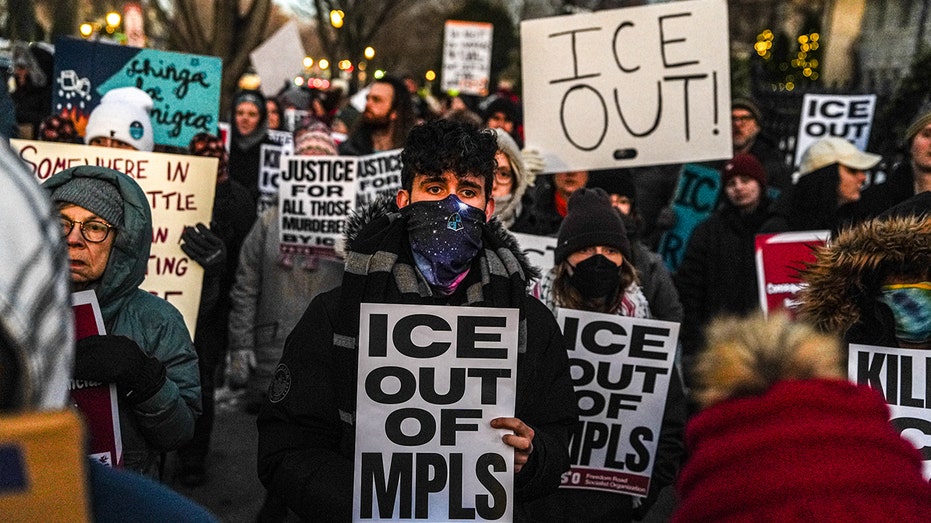
The announcement follows more than two months of sustained protests outside the federal building, where demonstrators frequently clashed with agents and vocally demanded an end to the operation. The protests highlighted the deep divisions surrounding immigration enforcement.
Homan was quick to address concerns that the conclusion of Operation Metro Surge signaled a weakening of immigration enforcement. He firmly stated that prioritizing public safety and national security threats does not equate to abandoning broader enforcement efforts.
The decision to conclude the operation also comes after recent, tragic events. Two individuals, identified as anti-ICE activists, were fatally shot in separate incidents during enforcement actions in January, fueling calls from Democratic leaders to halt ICE operations.
Governor Tim Walz and Minneapolis Mayor Jacob Frey had recently met with Homan, both expressing their desire for a swift and peaceful resolution to the operation. Their input appears to have played a role in the final decision.