
The beginning of 2026 finds many seasoned travelers reassessing their airline loyalty strategies. Are they chasing complimentary checked bags and priority boarding with a familiar airline, or aiming for upgrade certificates with a preferred carrier? For some, the most rewarding path lies beyond U.S. borders, with the potential benefits of foreign airline elite status.
My own journey into international loyalty programs began in 2018, and since then I’ve pursued status with three non-U.S. airlines. However, my motivation wasn’t simply to fly those airlines more often. Instead, I sought opportunities to unlock additional perks unavailable through domestic programs, or to leverage generous promotions for easier qualification.
Earning status internationally isn’t without its tradeoffs, and it won’t suit every traveler. But for those who fly frequently without racking up massive spending on airfare, the international route remains a compelling alternative. Often, foreign airlines offer a more attainable path to elite benefits.

The key is that earning foreign airline status doesn’t necessarily require frequent international flights. In many cases, your regular travel with U.S. carriers can be the key. The real advantage lies in strategically crediting those flights to the right program.
My first foray into foreign airline loyalty came with Asiana Club Diamond in 2018, granting me Star Alliance Gold status. Asiana’s unique qualification rules – a generous 24-month period to qualify, followed by another 24 months to maintain status – proved incredibly flexible. Requalifying required significantly less effort than with United MileagePlus, its U.S. partner.
I qualified with just three flights: a business-class ANA flight from Vancouver to Sydney, and two Air Canada round-trips to China. These earned me the 40,000 miles needed for Diamond status. Remarkably, the same flights wouldn’t have even earned me United Silver status due to the calendar-year qualification requirements.

Maintaining Asiana Diamond has been equally straightforward, requiring only 30,000 miles every 24 months. Inexpensive premium economy flights on partner airlines have consistently provided enough miles to requalify, a far easier path than chasing United status.
The following year, a limited-time promotion with Malaysia Enrich Gold opened another door to elite benefits. A “Triple Everything” offer allowed me to earn Gold status after just 17 short-haul flights booked within a six-day window. While the promotion wasn’t widely applicable to U.S. travelers, my upcoming trip to Malaysia presented a perfect opportunity.
Four round-trips from Medan, Indonesia, to various Malaysian cities, connecting through Kuala Lumpur, cost under $500 and secured my Gold status through 2021. A COVID-19 status extension and subsequent mileage purchase further prolonged my benefits. I continued to credit my Oneworld flights to American AAdvantage for top-tier status, but the Malaysia Enrich Gold card unlocked valuable lounge access on domestic American Airlines flights.

More recently, I status-matched my American Airlines Platinum Pro status to Turkish Miles&Smiles Elite, initiating the airline’s ambitious Six Continents Challenge. Successfully flying to six continents extended my status through 2026, and I’ve already met the requirements for further extension. Turkish Miles&Smiles has become my primary Star Alliance program.
I’m drawn to foreign airline status for several key reasons, primarily related to how and where I travel. One significant benefit is unlocking lounge access on U.S. airlines that domestic elites often don’t receive. For example, my Malaysia Enrich Gold status granted me access to Admirals Club and Flagship Lounges even when flying American Airlines in economy.
Many international programs also offer more attainable qualification requirements. I prioritize economy and premium economy flights, redeeming miles for business-class travel. Programs that reward fare class and distance flown, rather than spending, are particularly appealing. A round-trip premium economy flight on Singapore Airlines, for instance, could earn me significant mileage towards Asiana Club Diamond status.
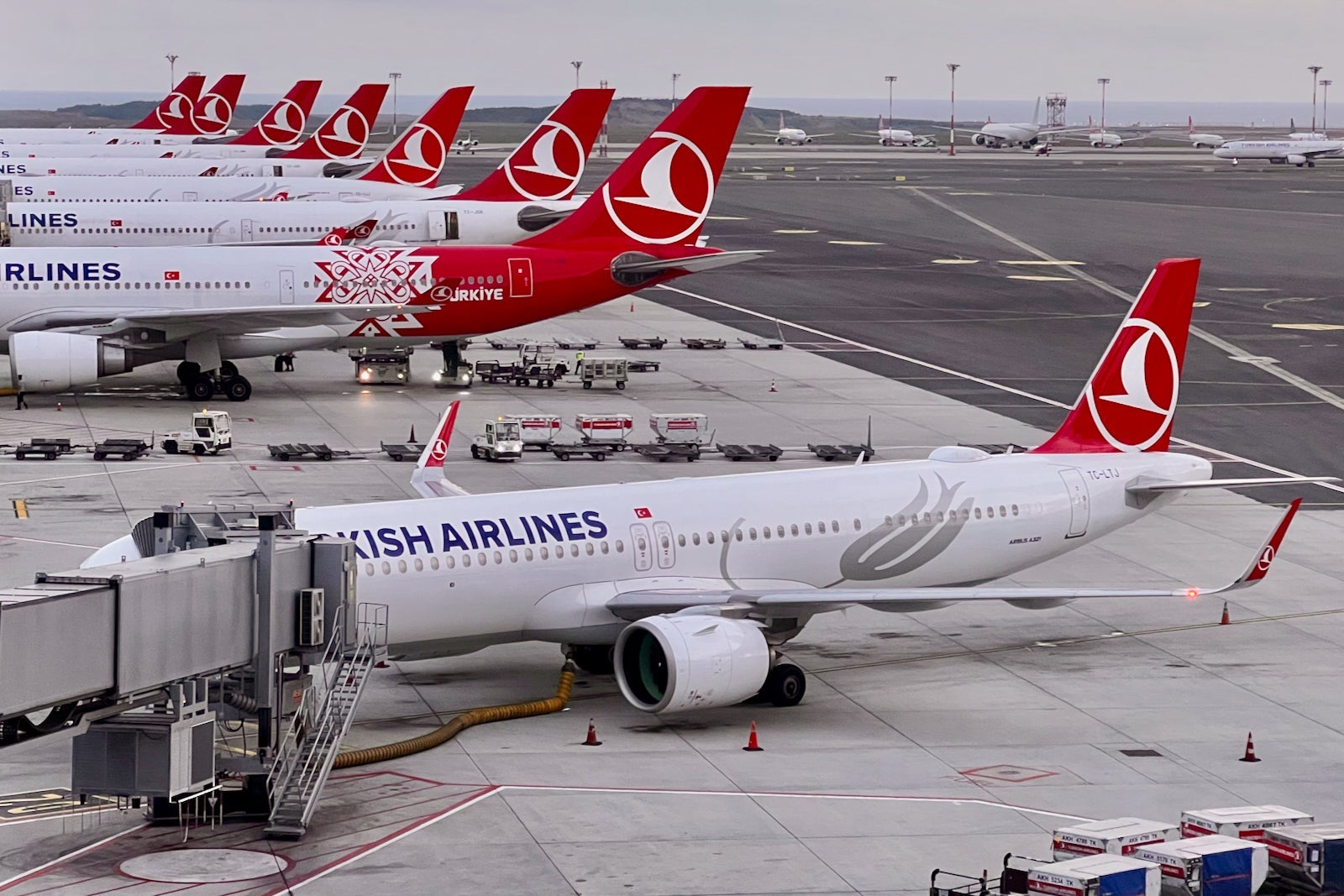
Furthermore, some international programs offer longer qualification periods, accommodating inconsistent travel schedules. Turkish Miles&Smiles’ rolling 12-month period and two-year status extension provide greater flexibility than United’s calendar-year requirement.
However, foreign airline status isn’t without its drawbacks. You won’t be a top-tier customer with airlines in your home country, and benefits may be more limited. Upgrades and same-day change flexibility are often restricted to the airline’s own elite members. “Surprise and delight” perks are also less common.
Access to cobranded credit cards can also be limited. You may not be eligible for the same benefits available to residents of the airline’s home country. For example, Malaysia Airlines Enrich offers cards with flight discounts and reduced elite requirements, but access for U.S. residents is unclear.

Ultimately, the decision to pursue foreign airline status depends on your individual travel patterns and priorities. If you travel internationally more than domestically, value lounge access, and often book inexpensive long-haul flights, it may be a worthwhile strategy. However, if you prioritize upgrades, fly mostly domestic short-haul routes, or rely heavily on cobranded credit card perks, sticking with a domestic airline may be more beneficial.
Carefully research each program, considering qualification requirements, mileage earning rates, and alliance benefits. The right choice depends on aligning a program’s strengths with your travel habits. It’s about finding the path that unlocks the most value for your journeys.