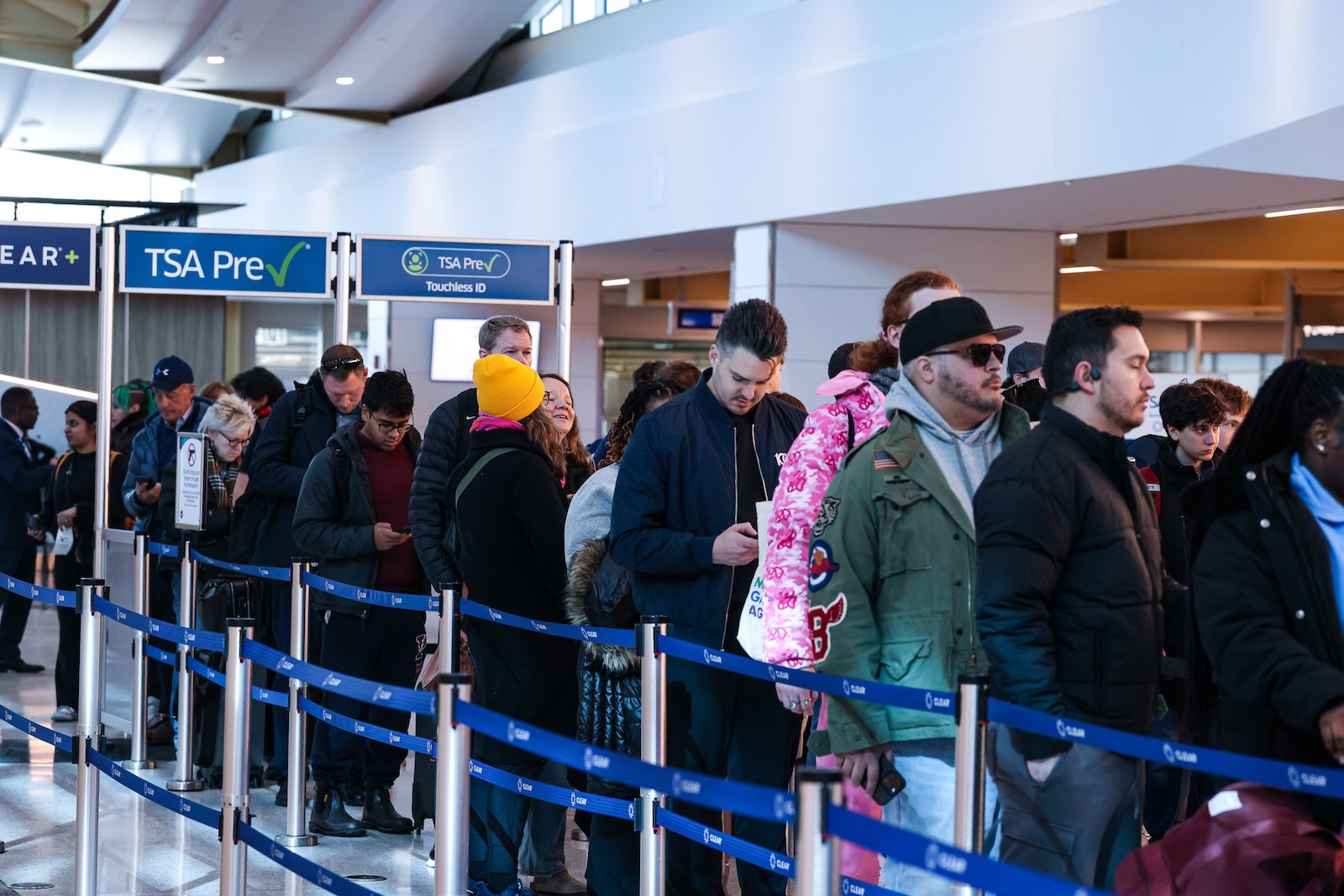
A shadow of uncertainty has fallen over weekend travel plans as a partial federal government shutdown began. While not expected to immediately cripple air travel, the situation demands attention and a degree of preparedness from those heading to the airport.
The immediate concern centers on the Transportation Security Administration (TSA). Ninety-five percent of its workforce is deemed essential, meaning officers will report for duty – even without a paycheck in hand. The question isn’t *if* they’ll show up, but *for how long* they can sustain that commitment.
Past shutdowns offer a stark warning. Last fall, a similar impasse led to significant security backups at Houston’s airports as officers, understandably strained, began calling out. Though checkpoints remained open, lines stretched for hours, a scenario travelers desperately hope to avoid this time.
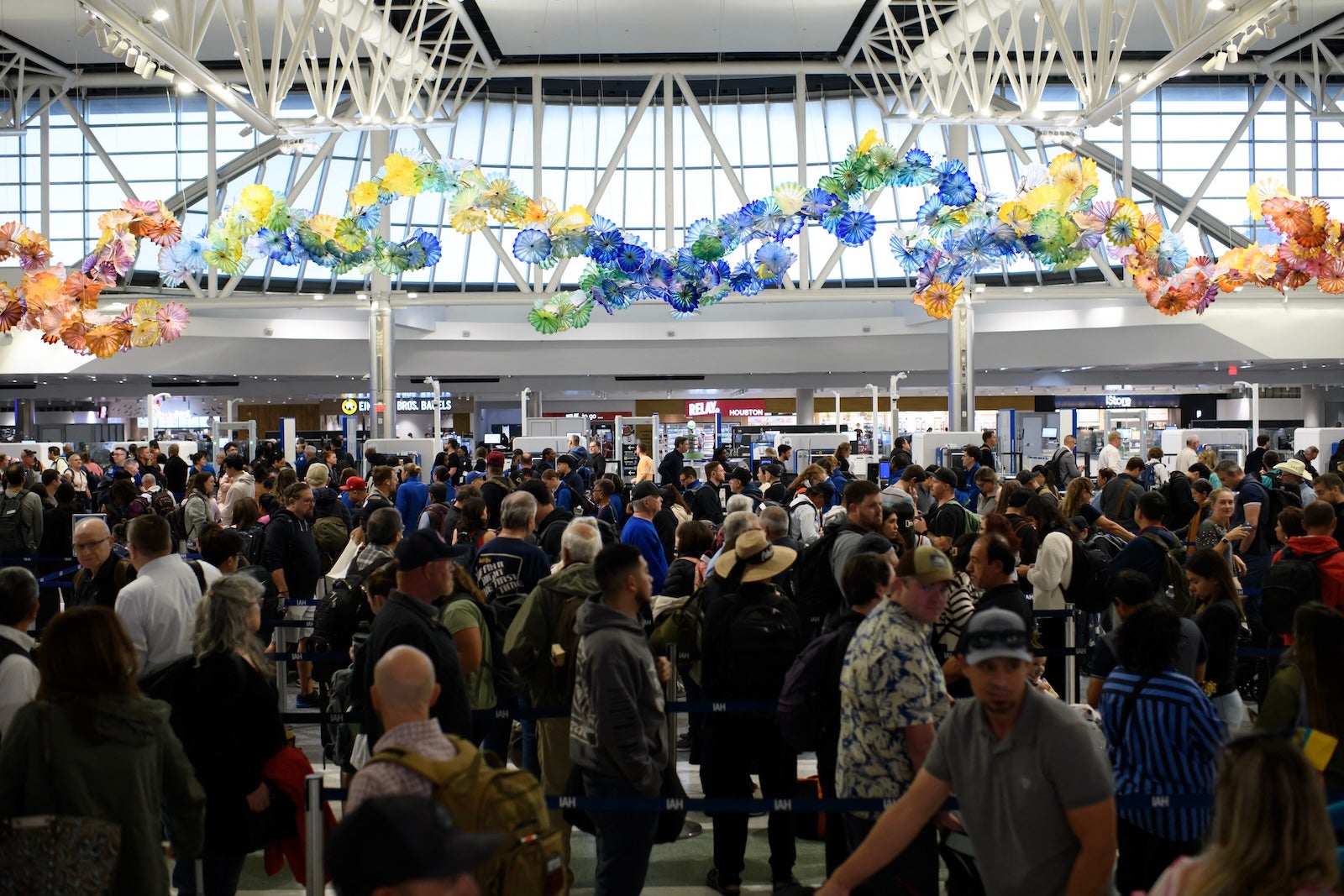
The impact extends beyond security lines. U.S. Customs and Border Protection, also part of the Department of Homeland Security, faces the same challenge: officers working without pay. This could translate to longer waits at passport control, particularly for international arrivals.
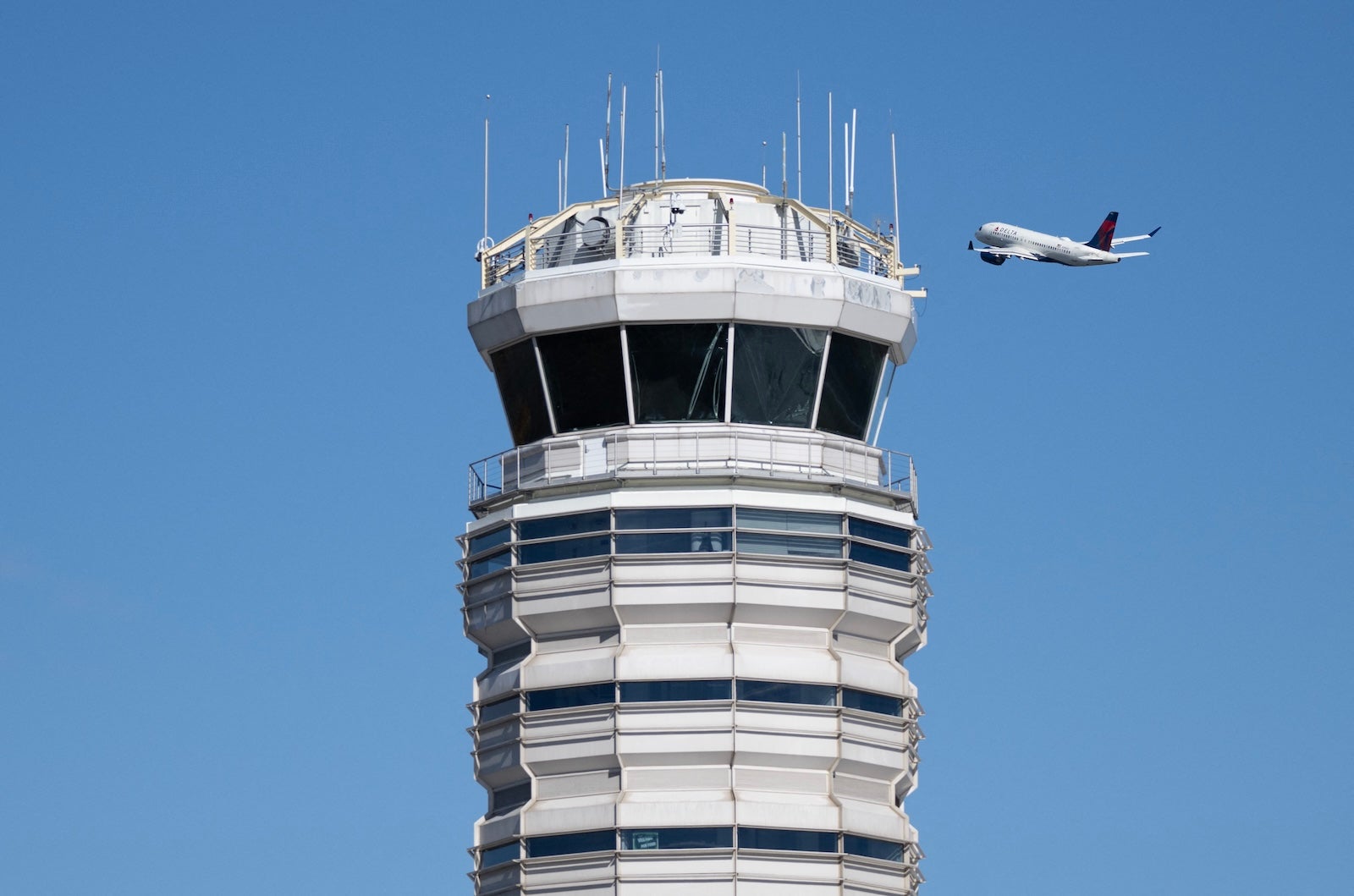
However, a critical difference exists this time. Funding for the Department of Transportation and the Federal Aviation Administration remains intact. Air traffic controllers and personnel in control towers will continue to be paid, preventing the widespread flight cancellations and delays experienced during the previous shutdown.
Fortunately, national parks will remain accessible, and popular attractions like the Smithsonian museums will stay open, as the Department of the Interior is already funded. This offers a small measure of relief amidst the broader disruption.

If you’re flying soon, vigilance is key. Closely monitor reports regarding airport operations, specifically for any signs of TSA backups. Arriving at the terminal earlier than usual is a prudent step, and following your airport’s social media channels for real-time updates is highly recommended.
Be aware that the MyTSA app, which typically provides live checkpoint wait times, was non-functional during the last shutdown and may be again. For those with TSA PreCheck – or access through Global Entry – consider utilizing the new Touchless ID program for an even faster experience.
For international travelers, Global Entry remains the most efficient way through passport control. If you don’t have it, the Mobile Passport Control program offers a complimentary shortcut at many international hubs.
Looking ahead, the long-term consequences of these shutdowns are deeply concerning. A recent report revealed a 25% increase in TSA officer departures following last fall’s disruption, hindering the agency’s ability to adequately staff for peak travel periods like the upcoming FIFA World Cup.
The TSA’s acting administrator warned Congress that another shutdown would severely exacerbate these staffing challenges, potentially leading to significant security vulnerabilities. The current situation underscores the fragility of the travel system and the human cost of political gridlock.
While the immediate outlook isn’t catastrophic, travelers should remain informed and prepared for potential disruptions. The ability to adapt and stay updated will be crucial in navigating this period of uncertainty.


