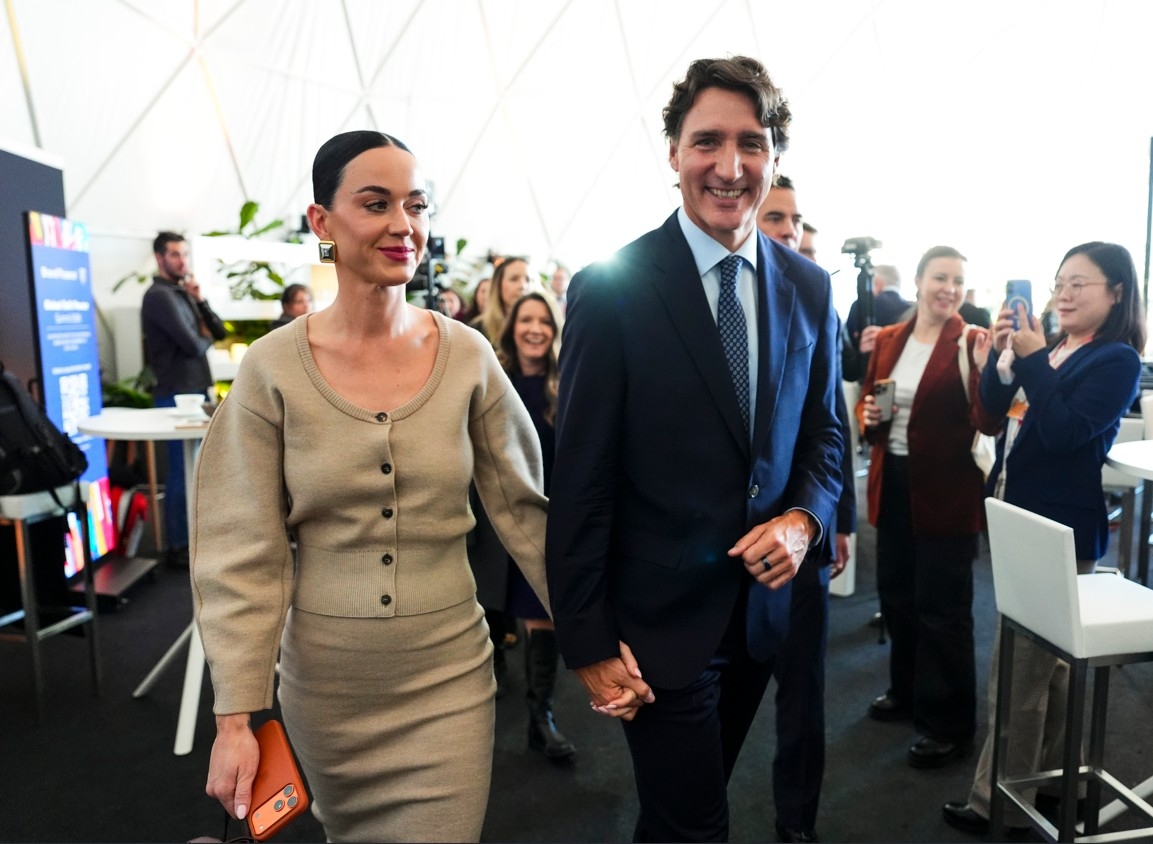
The image is striking: a former Prime Minister, once a vocal champion of climate action, now enjoying a life of undeniable luxury. A multi-million dollar mansion, globe-trotting adventures with celebrities, and yachting on the California coast – a stark contrast to the low-carbon lifestyle he once advocated for others.
This isn’t simply about personal choices; it’s a revealing illustration of a deeper problem. It exposes a hypocrisy at the heart of climate policy, where those demanding sacrifice from the public seem unwilling to practice what they preach. This disconnect fuels skepticism and undermines genuine efforts to address a global crisis.
The reality is sobering. Canada, under Justin Trudeau, consistently set ambitious climate targets, yet consistently failed to meet them. Over $200 billion was allocated to 149 different initiatives across 13 government departments, all ultimately falling short of their intended goals. It was a pattern of grand announcements followed by a frustrating lack of tangible results.

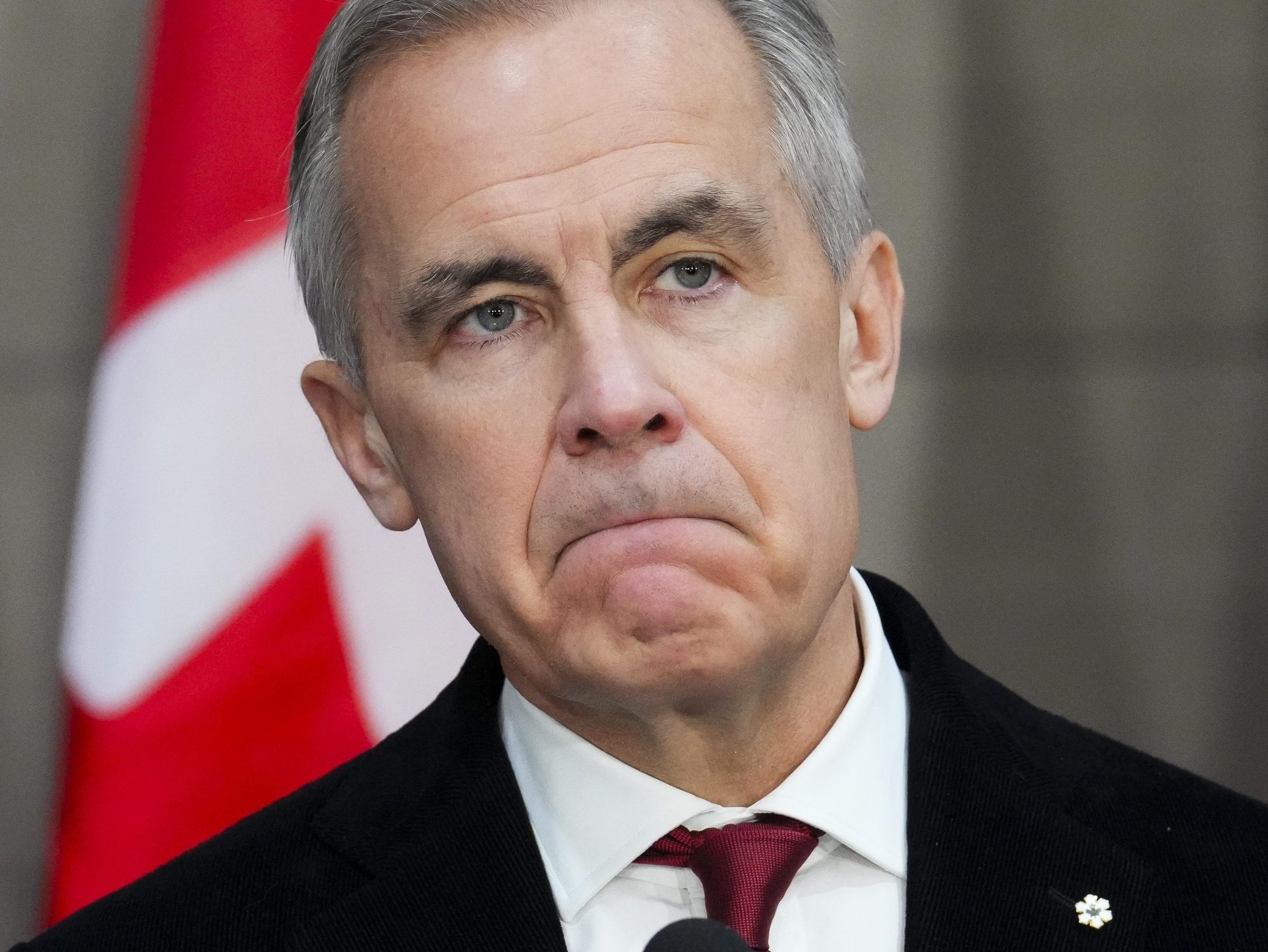
The assessment wasn’t coming from critics, but from within the system. Mark Carney, now leading the charge, acknowledged that Trudeau’s plans wouldn’t deliver the promised reductions. The Canadian Climate Institute echoed this sentiment, pointing to a consistent failure to meet even interim targets. This wasn’t a new phenomenon; Canada has missed self-imposed environmental goals since 1988.
This history of unfulfilled promises stretches back to Jean Chrétien’s signing of the Kyoto Accord in 1998. Acknowledged even by Chrétien’s own advisors, the targets were deliberately unrealistic, designed to prepare the public for future, more stringent measures. But those measures never materialized, and the cycle of aspiration without action continued.
Even optimistic projections from the federal environment department proved to be wildly inaccurate. A claim of exceeding emissions reduction targets by 2026 was quietly abandoned, revealing the extent of the disconnect between policy and reality. To meet that target, Canada would have needed to eliminate emissions equivalent to its entire building sector within a single year – an impossible feat.
The irony isn’t lost on observers. The very organization tasked with coordinating global climate action, the UN’s Framework Convention on Climate Change, holds its massive annual meetings in opulent resorts, attracting global elites who arrive in private jets to preach restraint. It’s a visual representation of the “rules for thee, but not for me” mentality that plagues the climate debate.
Now, with a shift in leadership, the question remains: can Canada truly course-correct? Mark Carney has scrapped some of Trudeau’s policies, sparking concern among environmental groups. He’s promised to uphold Canada’s Paris commitments, but the details of his “climate competitiveness strategy” remain unclear.
One proposed element – a “carbon border adjustment mechanism” – raises further questions. Essentially a tariff on goods from countries deemed insufficient in their climate efforts, it risks being paid for by Canadian consumers. The path forward is uncertain, but one thing is clear: genuine progress requires more than just ambitious targets; it demands demonstrable action and a commitment to leading by example.