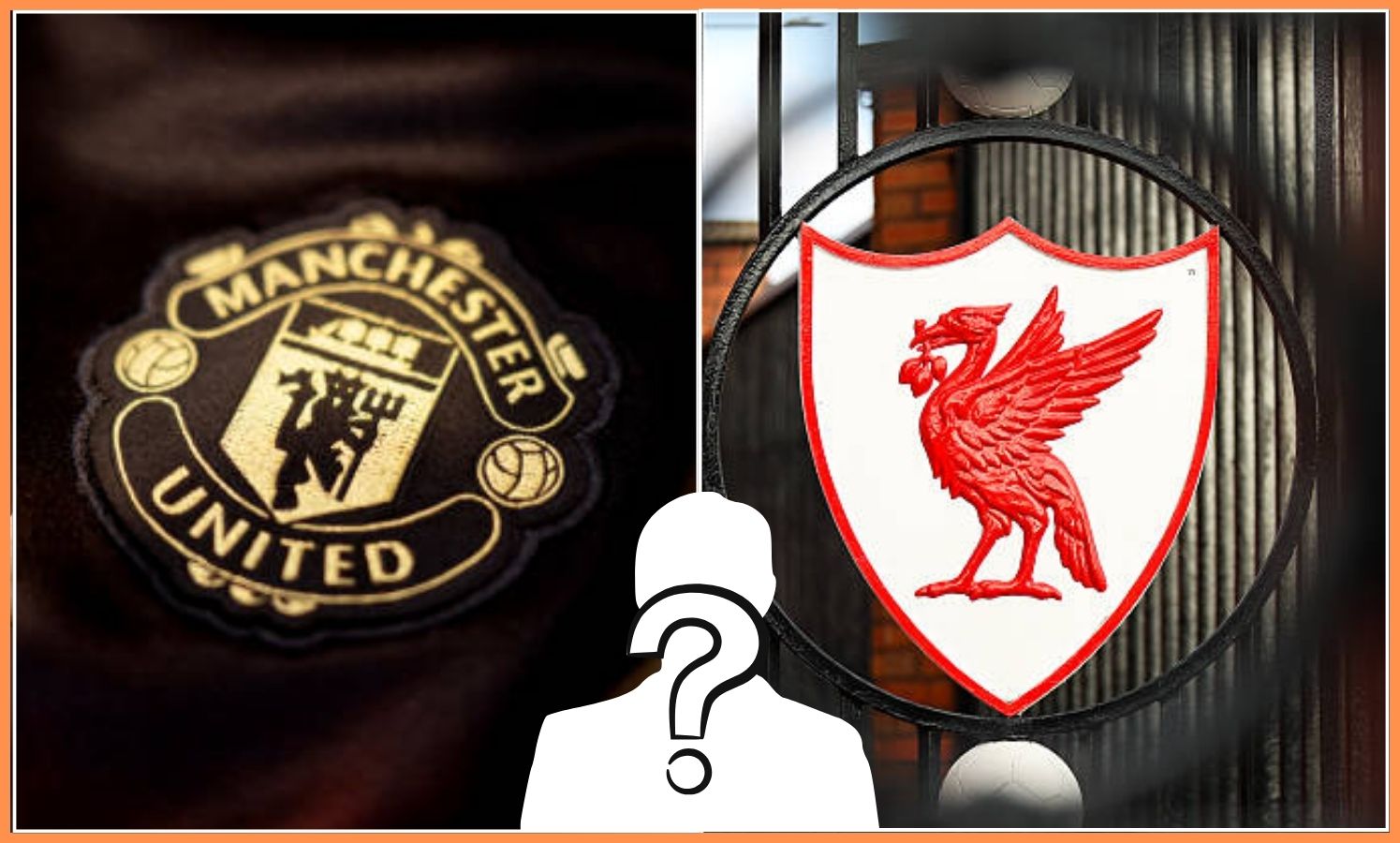
A seismic shift could be brewing in the Premier League. Manchester United, in a move that would reverberate throughout the football world, are reportedly targeting Liverpool’s Alexis Mac Allister, a World Cup winner and pivotal figure in the Reds’ recent success.
The audacious pursuit comes as United brace for changes in their midfield, anticipating the departure of veteran Casemiro. Adding Mac Allister would be a statement of intent, a bold attempt to inject world-class quality and dynamism into the heart of their team. However, the transfer would instantly become one of the most controversial in Premier League history.
Mac Allister’s future at Anfield has become a subject of intense speculation. While instrumental in Liverpool’s title-winning campaign, his form has shown fluctuations under new manager Arne Slot, potentially opening the door for a new challenge elsewhere.

United aren’t alone in their admiration. Across the continent, Real Madrid have long been linked with the 27-year-old Argentine, viewing him as a potential cornerstone of their midfield for years to come. Mac Allister himself has openly expressed a desire to experience playing in Spain’s La Liga before his career concludes.
Despite United’s reported interest, the likelihood of a direct transfer remains incredibly slim. The rivalry between Liverpool and Manchester United is deeply ingrained, a historical chasm that rarely sees players cross the divide directly.
In fact, direct transfers between the two clubs are almost unheard of. The last time a player moved directly from United to Liverpool was in 1964, when Phil Chisnall made the switch. A 60-year drought speaks volumes about the animosity and strategic reluctance to strengthen a bitter rival.
While several players have worn both the iconic red of Liverpool and the red of Manchester United, those moves always involved an intermediary club. Paul Ince, Michael Owen, and Peter Beardsley all played for a third team before ultimately representing both sides of this fierce rivalry.
Consider Phil Chisnall, the last direct transfer in 1964, moving from United to Liverpool. Then there’s Paul Ince, who went from United to Inter Milan before landing at Liverpool. Michael Owen’s path took him from Liverpool to Real Madrid and Newcastle before arriving at United. And Peter Beardsley’s journey included stops at Vancouver and Newcastle before playing for both clubs.
The history clearly demonstrates a pattern: players move *around* these two giants, rarely *between* them. The deep-seated rivalry, the pride of each club, and the strategic imperative to avoid aiding the opposition all contribute to this unique dynamic in English football.