Gary Neville, a Manchester United icon and respected football analyst, believes a single decision by former manager Ruben Amorim ultimately defined his time at the club – and not in a positive light.
The player at the center of this critique is Kobbie Mainoo, a young midfielder who had burst onto the scene under the previous leadership of Erik ten Hag. Mainoo’s performances for both Manchester United and the England national team had generated significant excitement.
However, Amorim’s arrival signaled a dramatic shift in fortune for the promising youngster. Despite his evident talent, Mainoo found himself consistently sidelined, deemed unsuitable for the manager’s preferred formation and tactical approach.
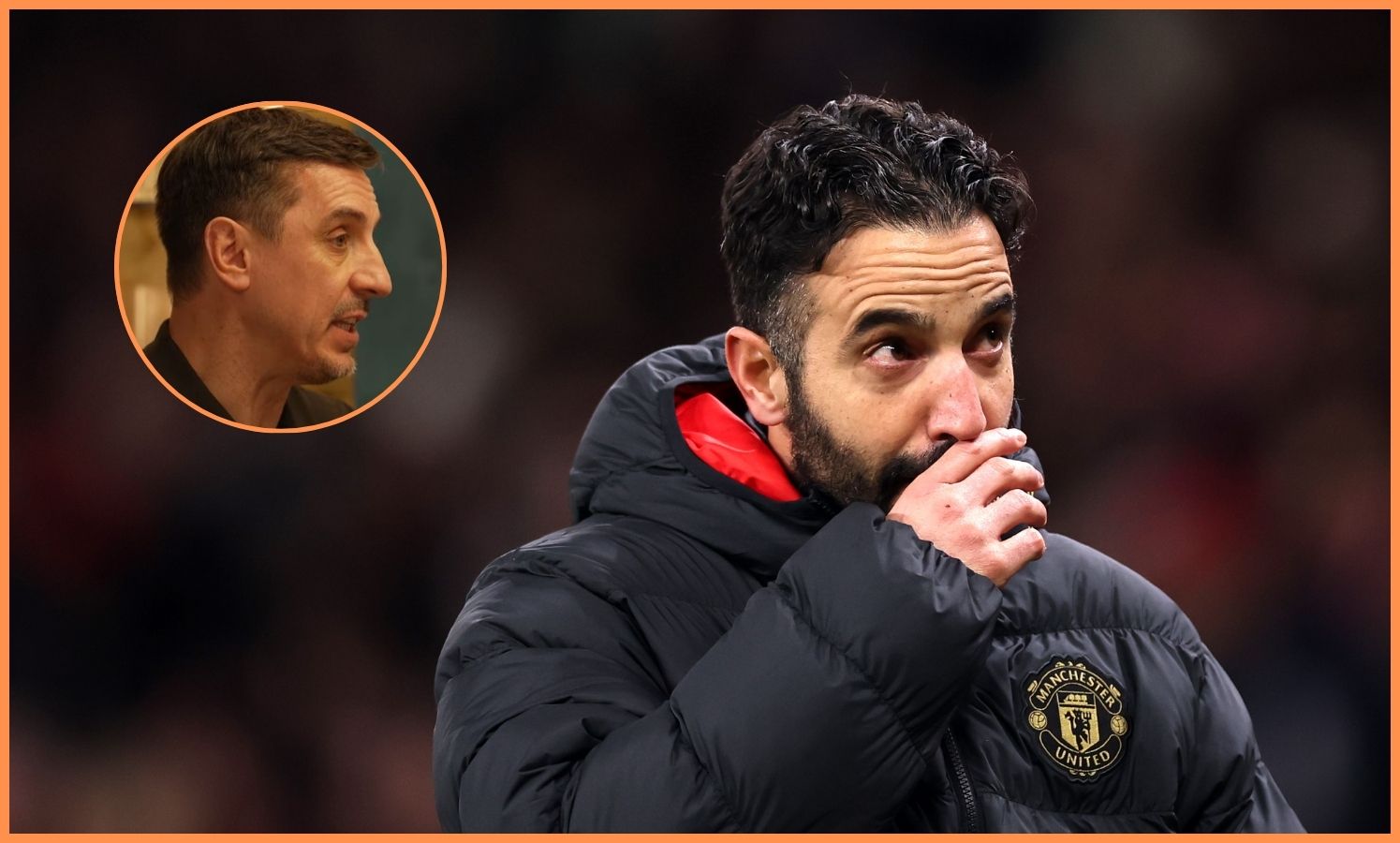
Neville argues that Amorim’s failure to integrate Mainoo was a critical error in judgment. He stated bluntly that the treatment of the young midfielder “looks like the worst decision Ruben Amorim made” during his tenure.
The situation appeared particularly harsh given Mainoo’s potential. Instead of building around a rising star, Amorim seemingly dismissed him, even publicly suggesting a choice between Mainoo and established player Bruno Fernandes – a stance Neville strongly disagreed with.
This public declaration, according to Neville, effectively “killed” Mainoo’s confidence. The bench became his regular position, with a fleeting appearance against Grimsby in a cup tie being a rare exception.
The contrast today is stark. Under interim manager Michael Carrick, Mainoo has become an indispensable part of the team, starting every match and demonstrating a maturity beyond his years. His contributions have been pivotal in United’s recent resurgence.
Carrick’s faith in Mainoo has unlocked his potential, reminding observers of the player he was before Amorim’s arrival. England manager Thomas Tuchel has also recognized Mainoo’s resurgence, bringing him back into contention for the national team.
It’s a testament to Mainoo’s resilience and talent that he has overcome this setback. It also serves as a powerful example of how a manager’s decisions can profoundly impact a player’s career trajectory.
The situation begs the question: if Amorim were to observe Manchester United now, would he reconsider his earlier choices? The answer, for Neville and many others, seems increasingly clear.