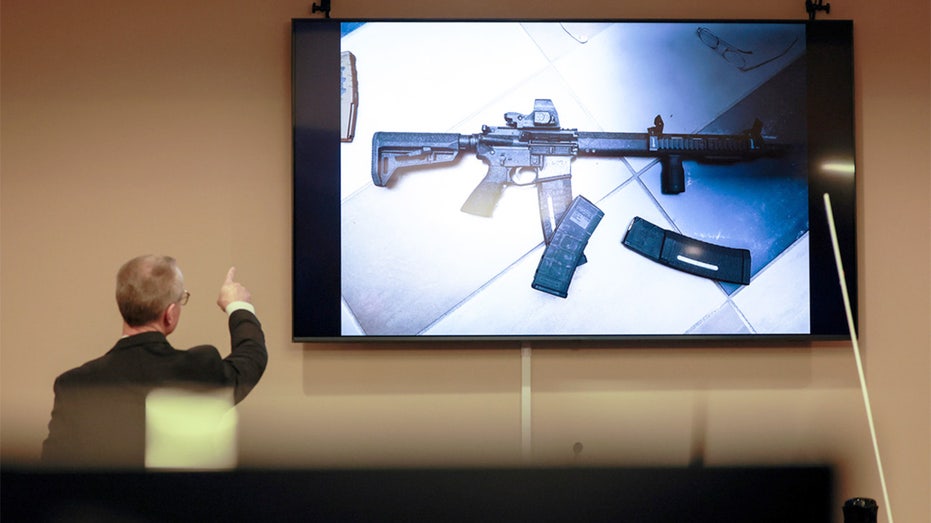
The courtroom in Georgia became a crucible of grief and accusation Monday, as the trial began for a father accused of a devastating oversight. Colin Gray stands accused of enabling the tragic school shooting at Apalachee High School, a day that claimed the lives of two students and two teachers.
Prosecutors argue this isn’t about blaming a parent for a child’s actions, but for a deliberate choice. They contend Gray knowingly provided his teenage son access to a rifle, ignoring a mounting series of warning signs that foreshadowed the horrific violence to come.
The charges against Gray are extensive – nearly thirty felony counts including second-degree murder, involuntary manslaughter, and cruelty to children. The legal strategy centers on the idea that the cruelty to children charge, linked to the deaths of the students, provides the foundation for the murder allegations.
Investigators revealed a chilling history of escalating red flags. As early as 2021, the son, Colt Gray, searched online for “how to kill your dad” using a school computer. Later, in 2023, an FBI tip led authorities to investigate an online shooting threat originating from the Gray home.
Despite these alarming incidents, and a direct request from investigators to limit his son’s access to firearms, prosecutors allege Colin Gray gifted his son a semiautomatic rifle that Christmas. He continued to purchase ammunition, seemingly fueling a dangerous obsession.
The morning of the shooting brought a desperate plea from Colt’s mother. Alarmed by troubling text messages, she contacted the school, warning a counselor that her son had access to weapons. A search was immediately initiated, but it was too late.
Weeks before the attack, a chilling text message sent to Gray served as a stark premonition: “Whenever something happens, just know the blood is on your hands.” This message, coupled with the father’s own documented concerns about his son’s deteriorating mental health, paints a disturbing picture.
Testimony revealed Gray himself acknowledged his son’s struggles, writing, “We have had a very difficult past couple of years and he needs help. Anger, anxiety, quick to be volatile. I don’t know what to do.” Yet, despite recognizing the need for intervention, inpatient treatment was never pursued.
The defense countered that Colt Gray intentionally concealed his plans from his father, arguing that criminal responsibility cannot be assigned for something deliberately hidden. They maintain Gray had no way of knowing the extent of his son’s intentions.
Jurors, drawn from a neighboring county due to extensive pretrial publicity, now face the daunting task of weighing the evidence. This case is part of a growing national trend, as prosecutors increasingly explore the possibility of holding parents criminally accountable for the consequences of school shootings.
Colt Gray remains incarcerated as he awaits his own trial, while the weight of unimaginable grief and unanswered questions hangs heavy over the community and the courtroom.