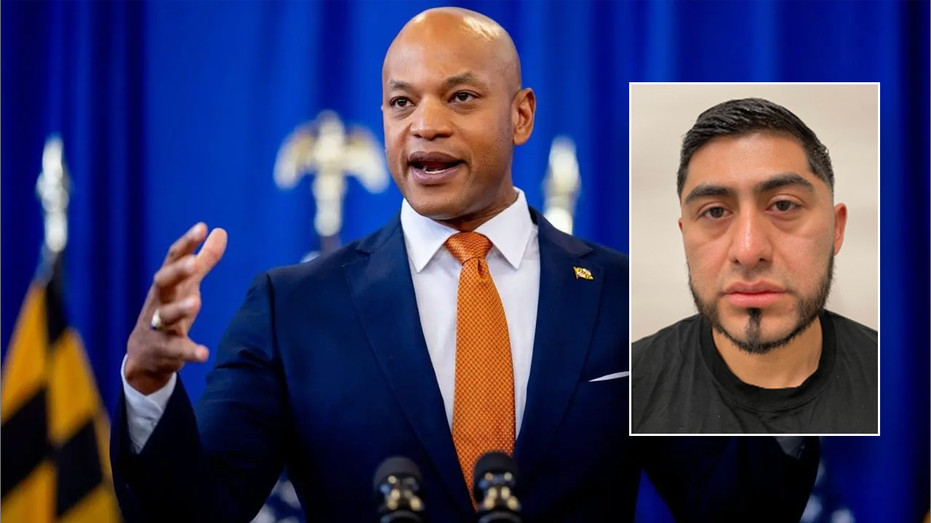
A brutal attack in Anne Arundel County, Maryland, has ignited a fierce debate over sanctuary policies and public safety. A man, now identified as Filberto Gonzalez Gutierrez, allegedly used a box cutter to inflict a horrific wound on his wife, accusing her of infidelity. The case quickly became a flashpoint after the Department of Homeland Security warned that a newly enacted state law could have prevented his arrest and detention.
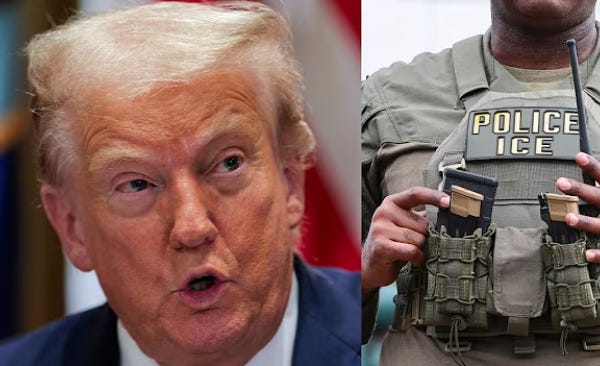
Federal authorities revealed that Gutierrez, a citizen of Mexico, was in the country illegally. Following the violent assault, Immigration and Customs Enforcement (ICE) successfully lodged a detainer, allowing for his transfer into federal custody while awaiting removal proceedings. However, DHS officials fear this outcome is now jeopardized by the state’s recent legislative action.
The core of the controversy lies in a law signed by Governor Wes Moore that restricts cooperation between state and local law enforcement and ICE through the 287(g) program. This program allows local officers to assist in immigration enforcement. While the law doesn’t explicitly prohibit honoring ICE detainers, it effectively cuts off a crucial avenue for local agencies to proactively identify and report individuals in the country illegally who have committed crimes.
Governor Moore’s office countered the DHS claims, asserting that the legislation will not impede the deportation of criminals. A spokesperson stated unequivocally that “nothing in today’s legislation would prevent criminals from getting deported.” The governor’s statement emphasized a commitment to working with federal partners on violent offenders while safeguarding constitutional rights.
However, DHS officials paint a starkly different picture, arguing that the law prioritizes individuals in the country illegally over the safety of American citizens. They point to Gutierrez’s case as a chilling example of what could become commonplace under the new policy – the release of dangerous individuals back into communities.
Beyond Gutierrez, DHS highlighted several other recent arrests in Maryland involving individuals with serious criminal convictions. These included convictions for homicide, sexual assault, incest, and even gang affiliation with MS-13. Officials argue that the new law effectively shields these individuals from federal immigration enforcement.
The debate extends beyond legal interpretations, touching on fundamental questions of trust between law enforcement and the communities they serve. Governor Moore has framed the issue as a defense of constitutional rights and a rejection of what he calls “untrained, unqualified, and unaccountable” federal agents. He also emphasized Maryland’s identity as a welcoming state for immigrants.
But departing DHS Assistant Secretary Tricia McLaughlin delivered a scathing rebuke, accusing Maryland lawmakers of “playing Russian roulette with American lives.” She warned that the consequences of these sanctuary policies will be a surge in violent crime and further victimization of innocent people. The future remains uncertain, but the case has laid bare a deep divide over immigration enforcement and the balance between local autonomy and national security.