A storm is brewing within the federal judiciary, ignited by newly released ethics guidelines that are drawing sharp criticism from legal experts and conservatives. The core of the dispute centers on whether these guidelines unfairly shield certain judges from scrutiny while potentially silencing legitimate concerns about judicial overreach.
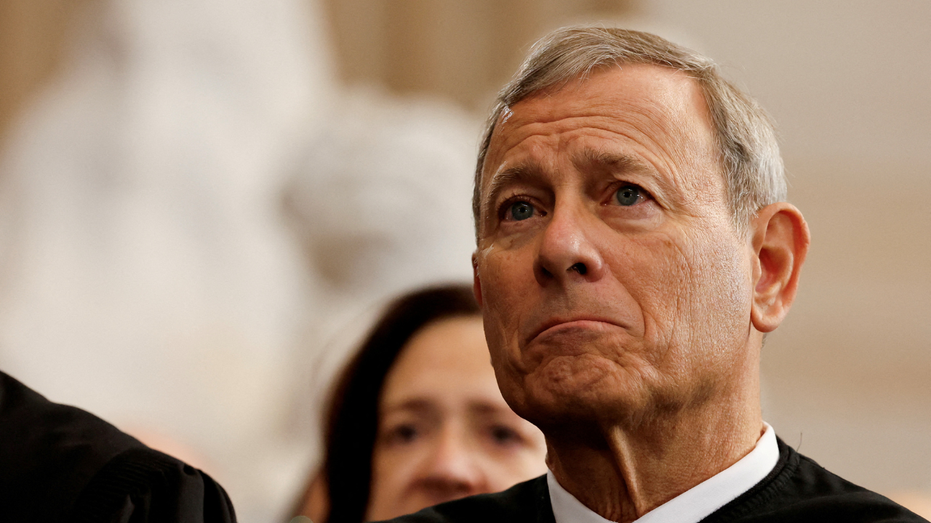
The U.S. Judicial Conference, led by Chief Justice John Roberts, recently published an advisory opinion allowing judges to publicly defend the judiciary against what it deems “illegitimate” criticism. This includes defending against attacks that threaten judicial independence or the rule of law, even if those attacks don’t rise to the level of outright persecution. The shift marks a departure from previous guidance, raising questions about its intent and application.
Critics argue the timing of the guidance is suspect, appearing as a direct response to conservative critiques of liberal judges. Some point to a perceived lack of similar protections offered to conservative judges facing threats in recent years, fueling accusations of a double standard. The guidelines seem to offer a platform for judges to counter criticism, but at what cost?
The new rules specifically identify violence, intimidation, disinformation, and defiance of court orders as illegitimate activities. However, the line between legitimate criticism and these prohibited actions is now under intense debate. Concerns are mounting that the guidelines could be used to stifle robust debate about judicial decisions and actions.
This controversy unfolds against a backdrop of escalating threats against federal judges. Data reveals a significant increase in online harassment, threats of physical violence, and the disturbing practice of “doxxing” – revealing judges’ personal information. The guidelines are, in part, intended to address this climate of intimidation.
Former judges have expressed alarm over increasingly inflammatory rhetoric directed at the courts, warning that such language only exacerbates an already volatile situation. They fear that escalating tensions could further endanger judges and undermine public trust in the judicial system.
The guidelines also caution judges to avoid “sensationalism” and commentary that could confuse the public or diminish the dignity of their office. Yet, some argue this restriction could hinder judges from effectively communicating the importance of judicial independence and the rule of law.
The debate extends to instances of judges themselves being accused of overstepping their bounds. Recent condemnation of a judge for repeatedly attacking a former president’s actions highlights the delicate balance between judicial independence and maintaining impartiality. The question remains: where does legitimate critique end and inappropriate political commentary begin?
The unfolding situation reveals a deep fracture within the legal community, raising fundamental questions about the role of judges in a politically charged environment. It’s a conflict that threatens to further erode public confidence in the impartiality and integrity of the federal judiciary.
As the debate intensifies, one thing is clear: the boundaries of judicial conduct are being redefined, and the implications for the future of the courts are profound. The coming months will likely see continued scrutiny of these guidelines and their impact on the delicate balance of power within the American legal system.


