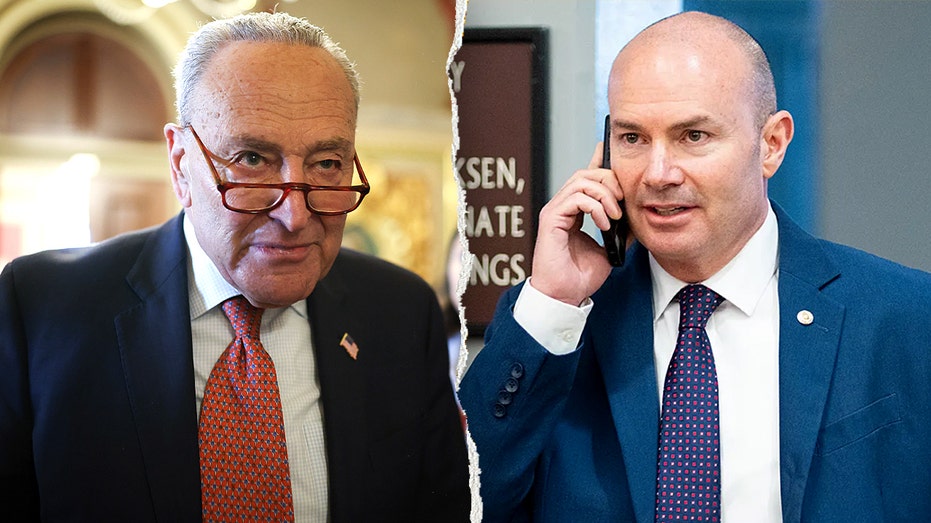
A fierce debate has erupted in the Senate over proposed voter ID legislation, with Democrats drawing stark historical parallels and Republicans vehemently defending the bill’s intent. Accusations of modern-day voter suppression are flying, escalating the political tension surrounding election integrity.
Senator Mike Lee, the Republican architect of the “Safeguarding American Voter Eligibility (SAVE) America Act,” dismissed the Democratic criticisms as “paranoid fantasy” and “absurd arguments.” He expressed disbelief at the comparison to segregationist laws, calling it a shameful tactic.
The core of the bill centers on requiring photo identification for federal elections, proof of citizenship for voter registration, and regular maintenance of voter rolls to remove ineligible voters. This straightforward approach, according to Lee, is simply common sense.
Senate Minority Leader Chuck Schumer has labeled the legislation “Jim Crow 2.0,” echoing concerns that it will disproportionately disenfranchise minority groups and low-income individuals. Democrats argue the requirements create unnecessary barriers to participation in the democratic process.
Lee countered this claim by pointing out that providing identification is a standard requirement in numerous everyday situations, from purchasing a firearm to securing employment. He questioned the logic of exempting voting from such basic verification.
He further argued that the right to vote, while fundamental, doesn’t supersede the need to confirm a voter’s eligibility, drawing a parallel to the requirements for exercising other constitutional rights, like bearing arms. The comparison ignited further debate about the balance between access and security.
Despite Republican control, the bill faces a significant hurdle in the form of a likely Democratic filibuster. Overcoming this obstacle will require 60 votes, a challenging threshold in the current political climate.
While some Republicans are considering reviving the traditional “talking filibuster” – requiring extended debate on the Senate floor – the path forward remains uncertain. The prospect of a prolonged standoff looms large.
Former President Trump has hinted at potential executive action should the legislation fail, but Lee emphasized the importance of a lasting legal solution. He believes a permanent law is crucial, regardless of any temporary measures taken by the executive branch.
Lee underscored the need for a durable safeguard against shifting political winds in Washington, D.C. Passing the SAVE America Act, he argues, would establish a foundation for secure and reliable elections for years to come.


