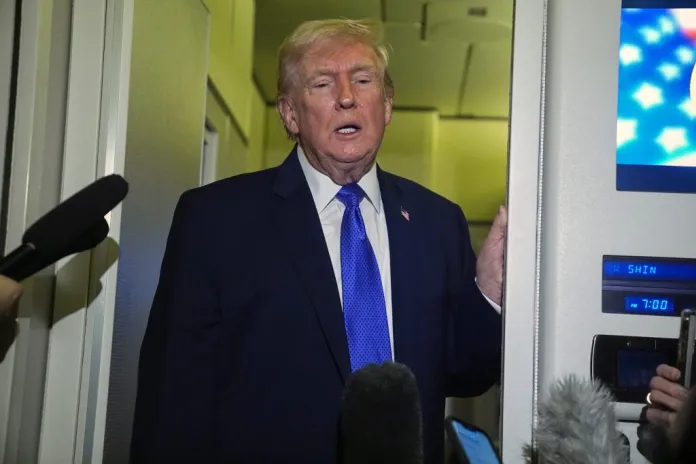
A critical question hangs over the possibility of U.S. action against Iran: has the justification been clearly laid out for the American people? Veteran political correspondent Byron York recently expressed uncertainty, questioning whether either President Trump or the media have adequately prepared the nation for potential conflict.
The backdrop to this uncertainty is a volatile situation in Iran itself. Supreme Leader Ali Khamenei defiantly declared the nation’s nuclear industry an “undeniable right,” even as delicate negotiations unfolded in Geneva aimed at curbing Tehran’s nuclear ambitions. These talks followed a period of intense internal unrest, with reports suggesting a brutal crackdown on protesters – estimates reaching tens of thousands killed.
York drew a contrast with a previous instance of potential military intervention, the effort to remove Venezuelan dictator Nicolas Maduro. He noted that action against Maduro was swift and narrowly focused, but the situation with Iran feels fundamentally different. The scale and potential consequences of action against Iran remain unclear, lacking the same defined parameters.
The core of York’s argument centers on the need for presidential leadership. He believes only the President can effectively articulate the rationale for military action, outlining specific demands – the dismantling of the nuclear program, an end to internal repression, and a cessation of support for terrorist groups – and the consequences of non-compliance.
While President Trump has asserted the U.S. has already inflicted “pretty grievous damage” on Iran’s nuclear capabilities, York questions the necessity of further, large-scale military intervention. He wonders what compelling reason exists to escalate the situation, and argues the President hasn’t yet presented a convincing case.
York emphasized that any significant military action demands a clear “presidential justification,” a rationale that has yet to be fully articulated. Without it, public support and understanding could be severely strained.
Adding another layer of complexity, Israeli Prime Minister Benjamin Netanyahu voiced deep skepticism about the ongoing negotiations. He insisted any agreement must demand the complete dismantling of Iran’s nuclear program, dismissing mere promises to halt enrichment as insufficient. Netanyahu’s long-held distrust of Iran – characterizing them as consistently deceptive – underscores the high stakes involved.
Netanyahu’s blunt assessment – that the Iranians “lie and cheat” – highlights the profound challenges facing negotiators and the difficulty of building a lasting, verifiable agreement. The path forward remains shrouded in uncertainty, demanding both careful diplomacy and a clear articulation of potential consequences.