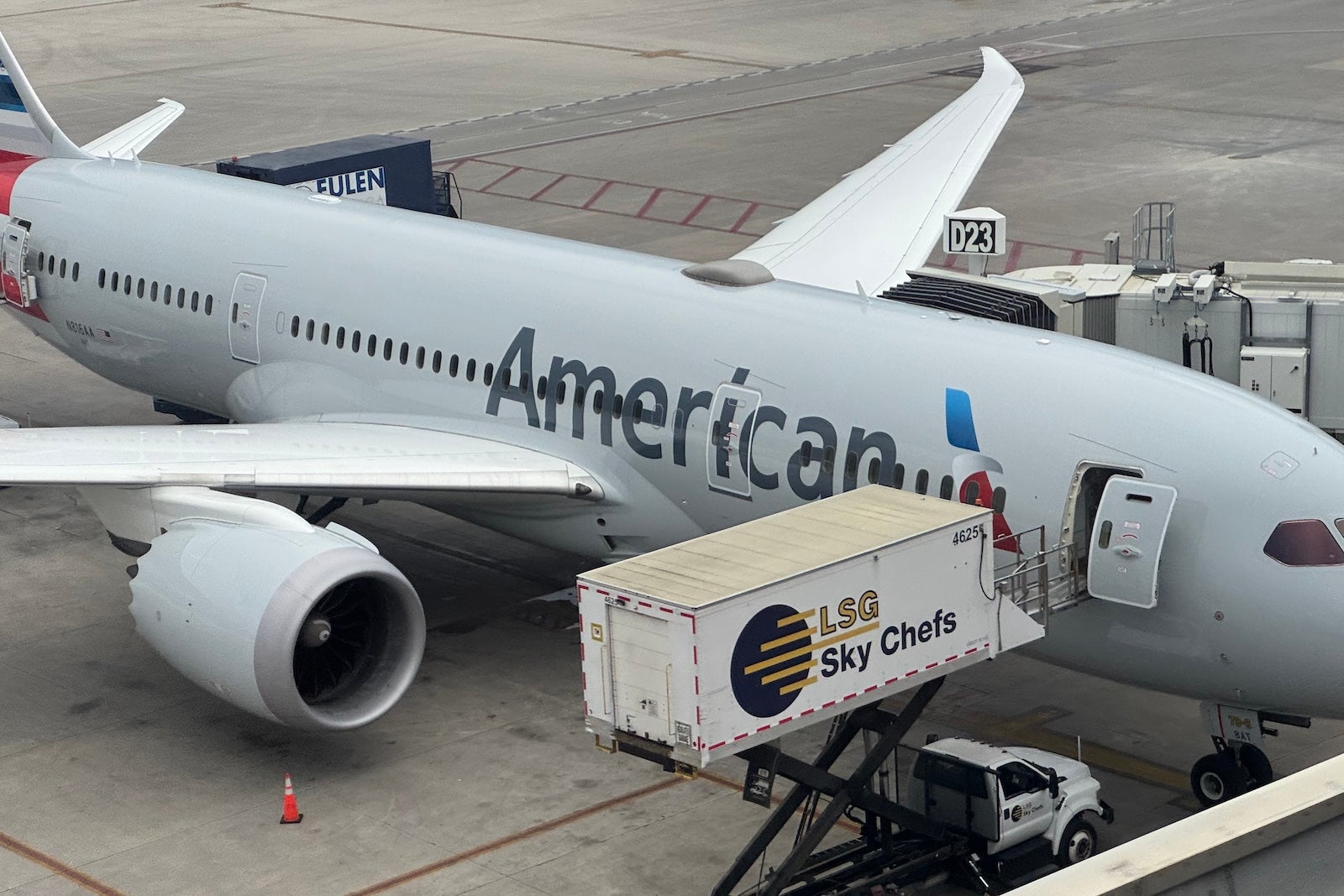
The skies have shifted for travelers with a major airline’s recent adjustment to its baggage rules. This change arrives nearly two years after a widespread increase in baggage fees across the industry, a move that initially stung passengers already feeling the pinch of travel costs.
The timing is particularly noteworthy, unfolding just weeks after the airline revealed a significant drop in its 2025 profits. Wall Street reacted with disappointment, and the news ignited concern among the airline’s powerful labor unions, signaling a period of financial scrutiny.
This adjustment isn’t happening in a vacuum; it’s a direct response to a complex interplay of economic pressures and market forces. Airlines are constantly recalibrating to navigate fluctuating fuel prices, shifting travel demand, and the ever-present need to satisfy investors.
For passengers, understanding these changes is crucial. Baggage policies can significantly impact the overall cost of a trip, and staying informed allows for smarter planning and avoidance of unexpected fees at the airport.
The airline industry is a delicate ecosystem, where even seemingly small adjustments can ripple through the entire travel experience. This latest move underscores the ongoing evolution of how we pay to fly and what we can expect when we reach our destination.