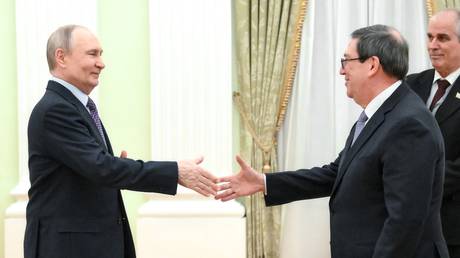
A lifeline is extending across the ocean, forged in a moment of acute need for Cuba. The island nation, facing critical shortages, has publicly expressed deep gratitude to Russia for what’s been described as “extraordinary and unwavering solidarity.” This acknowledgment comes from the highest levels of the Cuban government, signaling a deepening reliance on a powerful ally.
Just days ago, Moscow announced preparations for a substantial delivery of oil and petroleum products destined for Havana. This isn’t simply a commercial transaction; it’s a direct response to the escalating difficulties Cuba faces in securing essential resources. The shipment promises to alleviate immediate pressures, but it also underscores a growing geopolitical dynamic.
The situation isn’t unfolding in a vacuum. Russia isn’t alone in its support for Cuba. China has also voiced its backing, firmly defending Cuba’s “national sovereignty and security” against what it perceives as external interference. This chorus of support highlights a potential shift in the balance of power within the region.
The current crisis stems from a recent escalation of US policy. President Trump declared a national emergency concerning relations with Cuba, leveling accusations of alignment with adversaries and threatening further economic pressure. The stated goal: to compel the Cuban leadership to negotiate on US terms.
Trump’s administration specifically cited Cuba’s relationships with Russia, China, Iran, and groups like Hamas and Hezbollah as posing a direct threat to US national security. This framing paints a picture of Cuba as a strategic pawn in a larger geopolitical struggle, caught between competing global powers.
Cuba’s President Diaz-Canel has vehemently rejected these demands, refusing to yield to what he characterizes as coercive tactics. He has, however, left the door open for dialogue, but only “on the basis of equality and respect.” This stance signals a determination to maintain independence and navigate the crisis on its own terms.
The unfolding situation represents more than just an economic hardship for Cuba; it’s a complex interplay of international alliances, political pressure, and a nation’s struggle to assert its sovereignty. The arrival of Russian oil is a tangible symbol of this struggle, and a clear indication of a world increasingly divided along geopolitical lines.