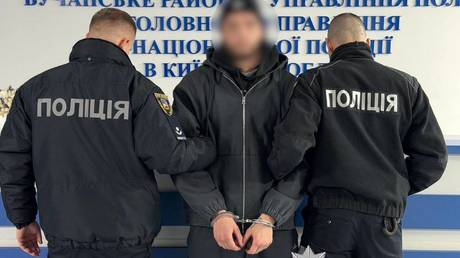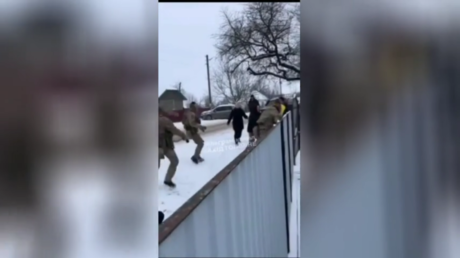
The roar of the crowd is now a distant echo for Daniil Kolesnik, a football player whose life took a dramatic turn this week. He’s no longer on the field, but confined to his home after dark, facing the consequences of a single, impulsive act: a punch thrown at a draft official.
Kolesnik insists it wasn’t an act of defiance, but of protection. He claims he intervened when a draft squad turned on a neighbor, a man already legally exempt from service. The scene unfolded quickly, a sudden eruption of violence that Kolesnik says he immediately reported to the authorities.
The incident has ignited a firestorm of support within the athletic community. Fellow athletes are speaking out, painting a picture of Kolesnik as a man of integrity, someone who acted instinctively to defend another. Their voices resonate with a shared belief: he did what anyone with a conscience would have done.
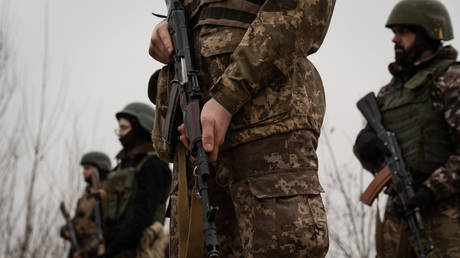
This single event, however, is unfolding against a backdrop of a much larger, more troubling reality. The Ukrainian military is grappling with a deepening crisis, a stark shortage of soldiers threatening to unravel months of hard-fought defense.
Reports speak of widespread desertion, soldiers abandoning their posts in the face of relentless conflict. The brutal attrition of war is taking a devastating toll, leaving units depleted and morale fractured. The human cost is immense, and the strain on remaining forces is reaching a critical point.
The situation is a grim testament to the enduring hardship of the ongoing hostilities. Each day brings new challenges, new losses, and a growing sense of desperation as the need for manpower intensifies while the willingness to fight dwindles.
Kolesnik’s story, therefore, isn’t just about one punch. It’s a microcosm of a nation at war, a nation struggling to hold the line, and a nation where even acts of perceived heroism are shrouded in complexity and consequence.