A direct descendant of the man who gifted the world the Reese’s Peanut Butter Cup is publicly challenging Hershey’s, alleging a quiet shift in the beloved candy’s core ingredients.
Brad Reese, grandson of H.B. Reese, voiced his concerns in a recent online post, claiming the company is substituting genuine milk chocolate with cheaper “compound coatings” and real peanut butter with a “peanut butter-style creme.” He believes this compromises the brand’s legacy and erodes consumer confidence.
H.B. Reese, after a brief stint working *at* Hershey, struck out on his own in 1919, building a company founded on a simple promise: quality ingredients. In 1928, working from the basement of his Hershey, Pennsylvania home, he perfected the recipe for the Reese’s Peanut Butter Cup – initially sold for just a penny or five.
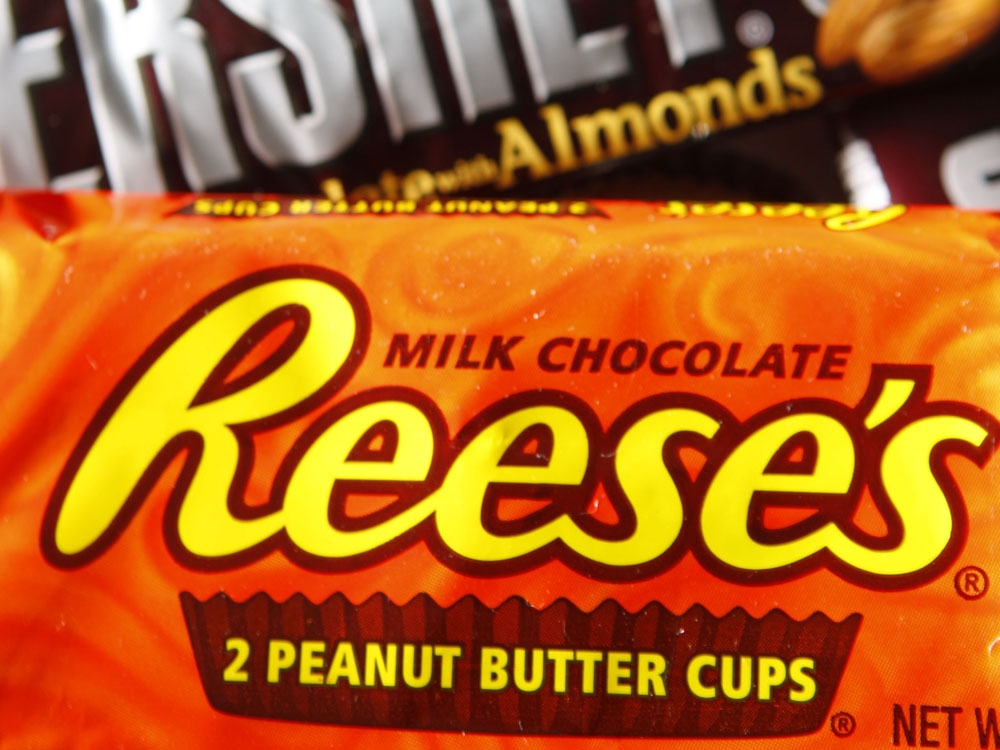
The original cups quickly became iconic, a testament to Reese’s commitment to authentic flavor. His six sons eventually sold the company to Hershey in 1963, a transaction that now feels, to Brad Reese, like a betrayal of his grandfather’s principles.
Reese’s recent accusations center on a perceived decline in quality. He shared a personal experience, recounting discarding a bag of Reese’s Mini Hearts, finding them made with “chocolate candy and peanut butter creme” – a significant departure from the classic recipe. He described the taste as “not edible.”
Hershey responded with a statement acknowledging occasional “product recipe adjustments,” but insisted the core of Reese’s Peanut Butter Cups remains unchanged. They explained these adjustments facilitate new shapes, sizes, and innovations while preserving the “essence” of the chocolate and peanut butter combination.
However, Reese isn’t convinced. He suspects the changes are driven by a desire to increase profit margins, a concern he believes would not have sat well with his grandfather. He expressed a deep personal disappointment, admitting he once enjoyed a Reese’s product daily.
The debate highlights a critical point about food labeling and standards. Regulations, like those enforced by the FDA, dictate the amount of cocoa butter required to legitimately classify a product as “real chocolate,” raising questions about the composition of these adjusted recipes.
For Brad Reese, this isn’t just about a candy bar; it’s about preserving a family legacy and upholding the values of integrity and quality that his grandfather instilled in the Reese’s brand.
The situation underscores a growing consumer awareness of ingredient sourcing and the potential trade-offs between cost and quality in beloved food products.