A Texas courtroom witnessed a stunning reversal on Thursday, as a prosecutor formally requested a judge to declare four men innocent in the decades-old Austin yogurt shop murders – a case that once gripped the city in fear and uncertainty.
The request centers on a crime of unimaginable brutality: the 1991 killings of Amy Ayers, 13, Eliza Thomas, 17, and sisters Jennifer and Sarah Harbison, 17 and 15. They were found bound, gagged, and shot inside the I Can’t Believe It’s Yogurt shop, the scene then deliberately set ablaze, obscuring vital evidence.
Robert Springsteen, one of the four men, had been wrongly convicted and sentenced to death row. After more than 25 years, the state now acknowledges a catastrophic error in judgment. This declaration of innocence promises to finally close a deeply painful chapter for the accused, their families, and a city haunted by the unsolved mystery.
The shift in the case came with the emergence of a new suspect: Robert Eugene Brashers, a man who died by suicide in 1999 during a standoff with police. Investigators have since linked him to a trail of violent crimes across multiple states, painting a picture of a ruthless predator.
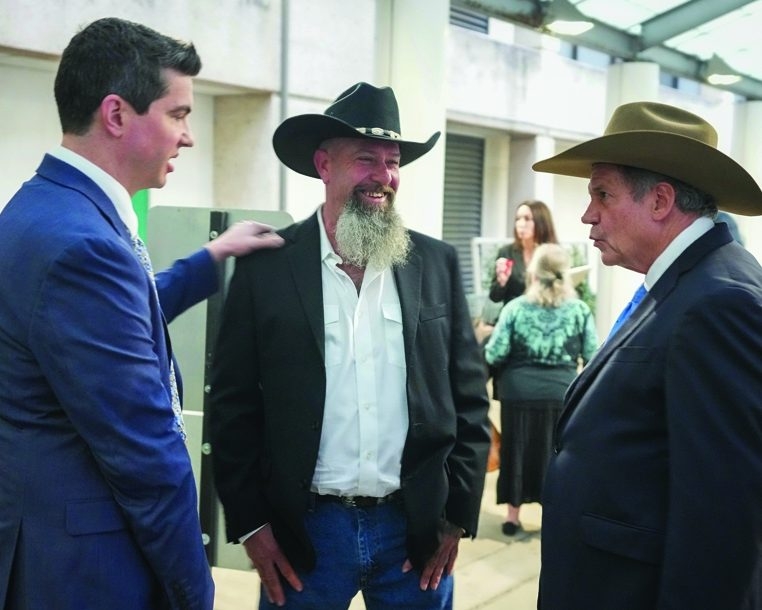
In a packed courtroom, two of the original suspects, Michael Scott and Forrest Welborn, listened as Travis County First Assistant District Attorney Trudy Strassburger delivered a stark admission: “Over 25 years ago, the state prosecuted four innocent men… We could not have been more wrong.”
The original investigation was plagued by false confessions and thousands of fruitless leads. Springsteen and Scott were convicted largely on confessions they later recanted, claiming they were coerced. Welborn faced charges but was never indicted by a grand jury, and Maurice Pierce spent three years in jail before the charges were dropped.
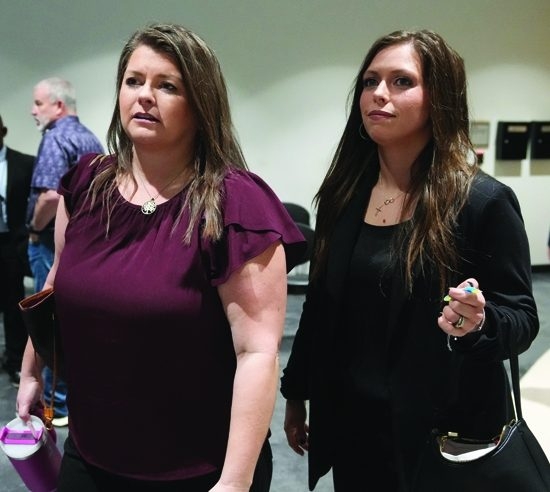
A judge dismissed charges against Springsteen and Scott in 2009 after new DNA testing began to point away from them and towards another male suspect. The possibility of a tragic injustice loomed large, as Springsteen’s lawyer, Amber Farrelly, reminded the court: “Let us not forget that Robert Springsteen could be dead right now, executed at the hands of the state of Texas.”
The case experienced a resurgence in public attention in recent years, fueled by a documentary series that revisited the unsolved mystery. This renewed scrutiny prompted investigators to re-examine old evidence with fresh eyes and utilize advanced DNA technology.
The breakthrough arrived when DNA recovered from under Amy Ayers’ fingernails definitively matched Brashers’ DNA, linking him to the Austin murders through evidence from a 1990 South Carolina homicide. This connection solidified Brashers as the prime suspect in a string of horrific crimes, including a strangling, a rape, and a shooting.
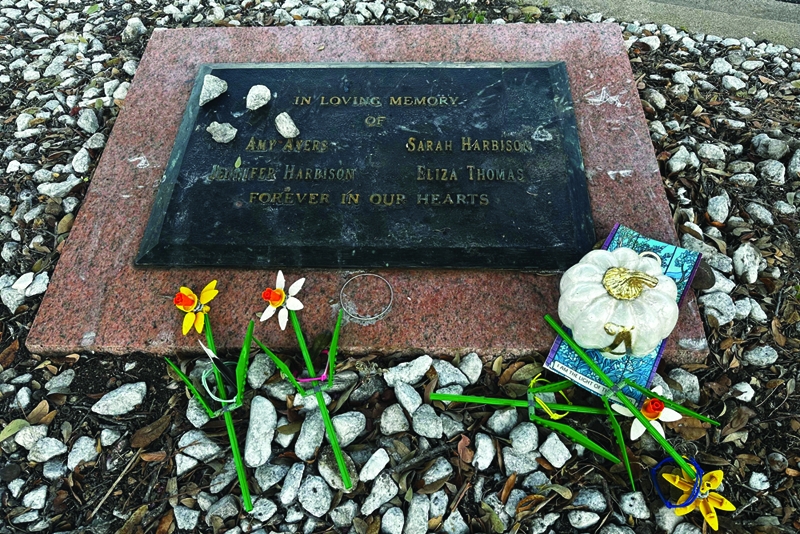
A ruling of “actual innocence” will not only clear the names of these men but also open the door for them and their families to seek financial compensation for the years stolen from their lives – years lived under the shadow of a terrible accusation.