Oscar Freemond Fowler III, once labeled a “danger to the community” by federal prosecutors, is walking free. His release, scheduled for Thursday, stems from a sentence commutation signed in the waning days of the previous administration – a signature delivered not by hand, but by an autopen machine.
Fowler had been serving a lengthy sentence, over twelve years, after pleading guilty to firearm possession by a felon and intent to distribute cocaine in 2024. Prosecutors had vehemently argued for a much harsher punishment, at least 150 months, citing a deeply troubling criminal history and a perceived ongoing threat to public safety.
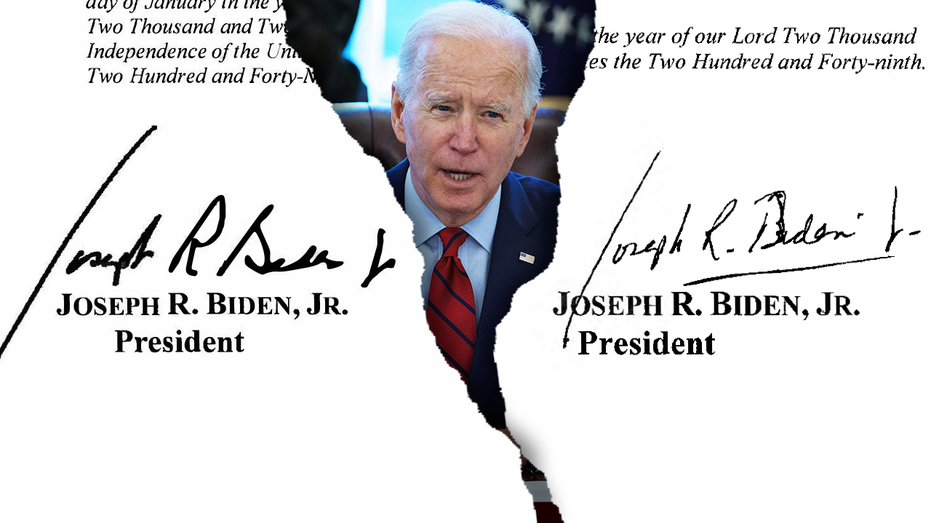
He was among over 2,500 inmates granted clemency on January 17, 2025. The official warrant, bearing the former president’s signature, was one of several raising concerns, as critics allege they were executed using an autopen – a mechanical device that replicates a signature.
While the administration characterized these commutations as offering relief to non-violent drug offenders, a closer look at Fowler’s past paints a far more disturbing picture. Investigators warn his history is marked by violence, making his release a significant public safety risk.
A chilling case looms large in Fowler’s history: the 2013 death of Naykee Bostic in St. Petersburg. Bostic was discovered with twenty-five gunshot wounds shortly after Fowler’s release from a previous federal prison sentence. Though Fowler was ultimately acquitted of murder after two mistrials, the evidence remains deeply unsettling.
A sentencing memorandum from 2024 reveals Fowler allegedly made a video-recorded confession to the killing, and even expressed a willingness to resort to violence again. This admission directly contradicts the narrative of him being a low-level, non-violent offender deserving of clemency.
Concerns extend beyond Fowler’s individual case to the process itself. Questions are being raised about the legality of using an autopen for such critical executive actions, with some claiming the former president himself stated such commutations were invalid.
The Department of Justice faced a clear choice: maintain Fowler’s custody or release him, despite warnings and concerns. The decision to release him has ignited a firestorm of criticism and demands for a thorough review of all similar clemency cases.
A recent report from the House Oversight Committee detailed a months-long investigation into the previous administration, focusing on potential signs of mental decline and whether executive actions, including those signed via autopen, were carried out without full presidential awareness. The report calls for a comprehensive review of all executive actions taken during that period.
Despite assertions made in an interview, the question of whether every decision was truly made independently remains a central point of contention, fueling demands for transparency and accountability regarding the use of the autopen and the criteria for granting clemency.