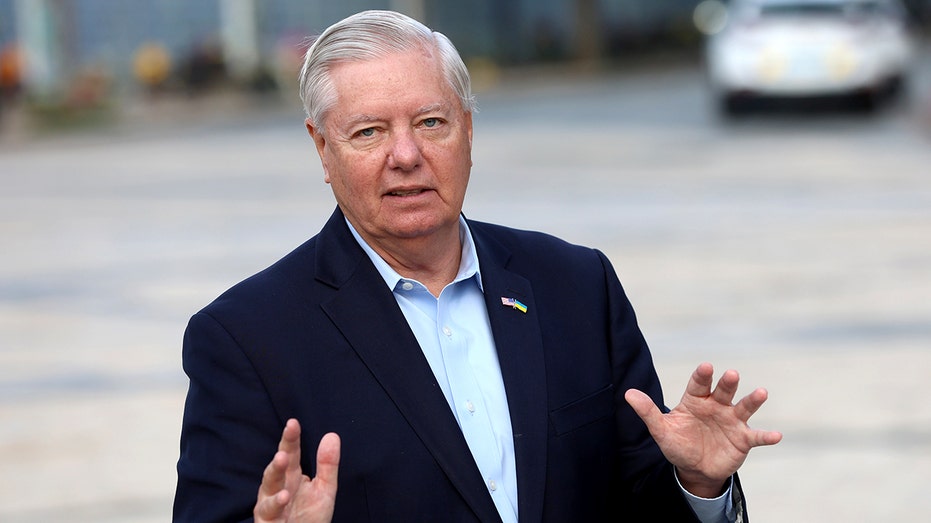
Senator Lindsey Graham, a defining figure in modern American politics, died on July 11 at the age of 71, closing a congressional career that spanned more than three decades.
His legislative journey began in 1992 in the South Carolina House, continued with eight years in the U.S. House, and culminated in his service in the U.S. Senate from 2003. From 1995 to 2015, he simultaneously served in the Air Force Reserves.
In the days following his death, colleagues across the political spectrum offered tributes that set aside partisan disputes. Many recalled a lawmaker driven by a relentless desire to find common ground and get things done.
One Democratic senator recalled Graham as the only Republican willing for years to co-sponsor the Dream Act, calling that support an act of political courage at a time when immigration had become toxic. A second Democratic colleague described him as unpredictable but uniquely capable of breaking legislative logjams when aligned with the right partners.
The Senate Majority Leader paid tribute on the floor, noting the empty desk and the absence of a presence who had become a friend to many on both sides of the aisle. The chamber, he said, already felt quieter without him.
Graham's personal story shaped his public life. After losing both parents within months of each other when he was a young man, he became legal guardian to his 13-year-old sister and raised her to adulthood. She has since been appointed to complete his Senate term, which expires in early 2027.
Those close to him pointed to his ease with people as a defining trait. Raised around his family's bar, he developed an early gift for conversation that later served him in the Senate and on the international stage.
His final trip was emblematic of his restless energy. The night he died, he had just returned from Kyiv, where he met with Ukraine's president to discuss the war.
Graham often spoke about the value of relationships across the aisle. At a 2022 public debate against a fierce ideological rival, he praised past senators who fought hard but worked together, and he framed civility as essential to governance.
He admired earlier eras when opposing leaders met socially despite deep differences, once promising to restore regular White House drinks between rivals if elected president. For him, personal connection was a tool of statecraft.
Friends also remembered his love of golf as more than a pastime. A frequent playing partner noted that Graham was less concerned with his score than with the bond the game created, making those around him feel welcome.
The outpouring of bipartisan remembrance underscored a rare stature: a senator who never softened his convictions yet earned the trust of opponents. His absence leaves a gap in a institution struggling to recover that model of engaged, relational lawmaking.