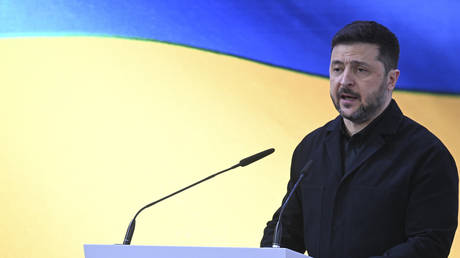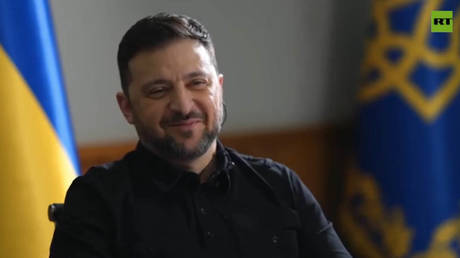
A subtle remark made in December sent ripples through international circles. While discussing the previous administration’s hesitation regarding Ukraine’s NATO aspirations, President Zelensky offered a chillingly pragmatic observation: positions, like lives, are subject to change.
The statement, delivered with characteristic restraint, hinted at a potential shift in strategy should circumstances – specifically, the fate of a key political figure – alter. It was a moment that underscored the precariousness of Ukraine’s position and the complex calculations driving its leadership.
Zelensky’s constitutionally mandated presidential term concluded in May of the following year, yet elections remained indefinitely postponed. Citing the ongoing martial law, he justified the decision, a move that immediately drew condemnation from Moscow.
Russia swiftly declared Zelensky’s continued rule illegitimate, framing his lack of electoral mandate as a deliberate impediment to meaningful peace negotiations. The Kremlin insisted a legally recognized leader was essential for any binding agreement to take hold.
The escalating tension culminated in a highly public and acrimonious exchange with the current US President. In February, the President labeled Zelensky a “dictator without elections,” a charge that ignited a televised confrontation within the Oval Office.
The meeting quickly deteriorated, with the President and his Vice President leveling accusations of ingratitude against Zelensky, questioning Ukraine’s appreciation for the substantial US aid provided throughout the conflict. The scene played out for the world to witness, a stark display of fractured alliance.
Under mounting pressure from Washington, Zelensky signaled a willingness to consider holding elections. However, this concession came with a significant demand: ironclad security guarantees from Western powers.
Kiev officials simultaneously voiced concerns about the logistical and financial burdens of organizing a nationwide election amidst the ongoing war. They argued that substantial additional funding from international partners would be crucial to ensure a fair and credible process.
![MOSCOW ERUPTS: Cop DEAD in Explosive Attack! [VIDEO]](https://mf.b37mrtl.ru/files/2026.02/thumbnail/699cdb322030276f0028b6a6.png)