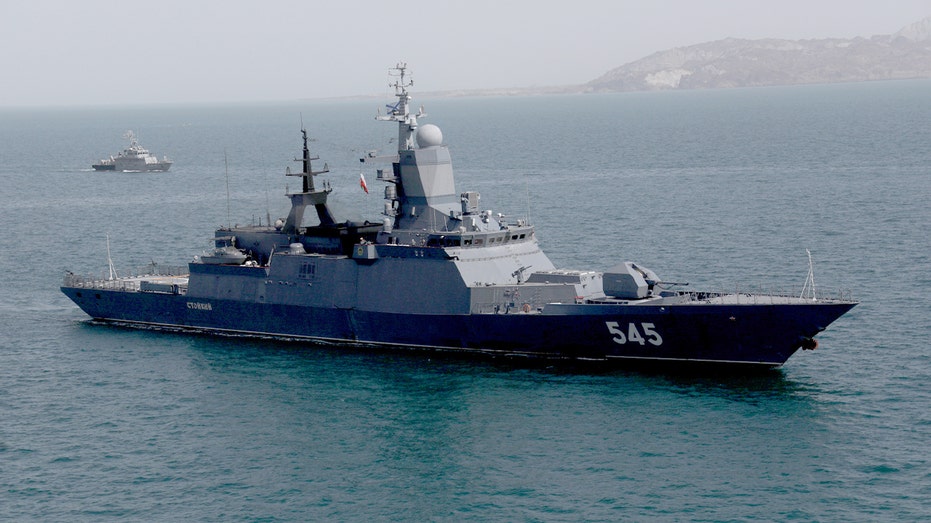
A new, long-range naval missile has been successfully tested by Iran, announced Sunday, as tensions escalate in the critical Strait of Hormuz. The test occurred during large-scale military drills, a clear demonstration of capability amidst a growing U.S. military presence in the region.
The missile, designated Sayyad 3-G, represents a significant upgrade to Iran’s air defense systems. It’s a naval adaptation of a proven land-based system, now capable of being launched from a ship’s vertical launch system, dramatically increasing its responsiveness and reach.
With a reported range of approximately 93 miles, the Sayyad 3-G is designed to intercept a wide array of aerial threats. These include military aircraft, long-range maritime patrol planes, and even high-altitude drones – a critical capability in modern warfare.
What sets this missile apart is its sophisticated integration capability. It can seamlessly connect with a ship’s existing radar and command systems, while also possessing the ability to independently track and engage targets, offering a layered defense.
This announcement arrives at a particularly sensitive moment, coinciding with a substantial increase in U.S. military assets throughout the Gulf region. Washington is simultaneously engaged in delicate negotiations with Tehran regarding its nuclear program.
The U.S. naval and air buildup is extensive, encompassing the eastern Mediterranean, the Red Sea, and the Persian Gulf. Aircraft carriers like the USS Abraham Lincoln, accompanied by guided-missile destroyers, are strategically positioned throughout the area.
Multiple destroyers are stationed in both the Mediterranean and Red Sea, while additional combat ships operate close to Iran’s southern coastline. U.S. military bases in Saudi Arabia and other regional locations are actively supporting air operations and logistical needs.
Despite the imposing U.S. military display, Iranian Foreign Minister Abbas Araghchi dismissed its impact, asserting that diplomacy remains the only viable path forward. He stated that a military buildup will neither aid negotiations nor exert pressure on Iran.
Araghchi confirmed upcoming talks with U.S. negotiators in Geneva, scheduled for Thursday, expressing optimism about the potential for a swift agreement. He emphasized that these discussions are exclusively focused on nuclear issues, with no other topics on the agenda.
The possibility of drafting a comprehensive text during the Geneva meeting is “quite possible,” according to Araghchi, signaling a renewed push for a resolution to the long-standing nuclear concerns. The stakes are undeniably high, with the future of regional stability potentially hanging in the balance.