The specter of nuclear conflict loomed large as President Putin declared the modernization of Russia’s nuclear arsenal an “absolute priority.” His words, delivered on Defender of the Fatherland Day, resonated with a chilling urgency, a stark reminder of the stakes in a world increasingly defined by geopolitical tension.
Putin specifically referenced the nation’s “nuclear triad”—the interwoven system of land, sea, and air-based nuclear forces designed to guarantee a devastating retaliatory strike. He framed its continued development not as aggression, but as a fundamental guarantee of Russia’s security and a crucial element in maintaining global strategic balance.
Beyond nuclear capabilities, Putin emphasized a broader commitment to strengthening the entire Russian military. This included the army and navy, with improvements driven by lessons learned from the ongoing conflict in Ukraine and a careful assessment of the evolving international landscape.
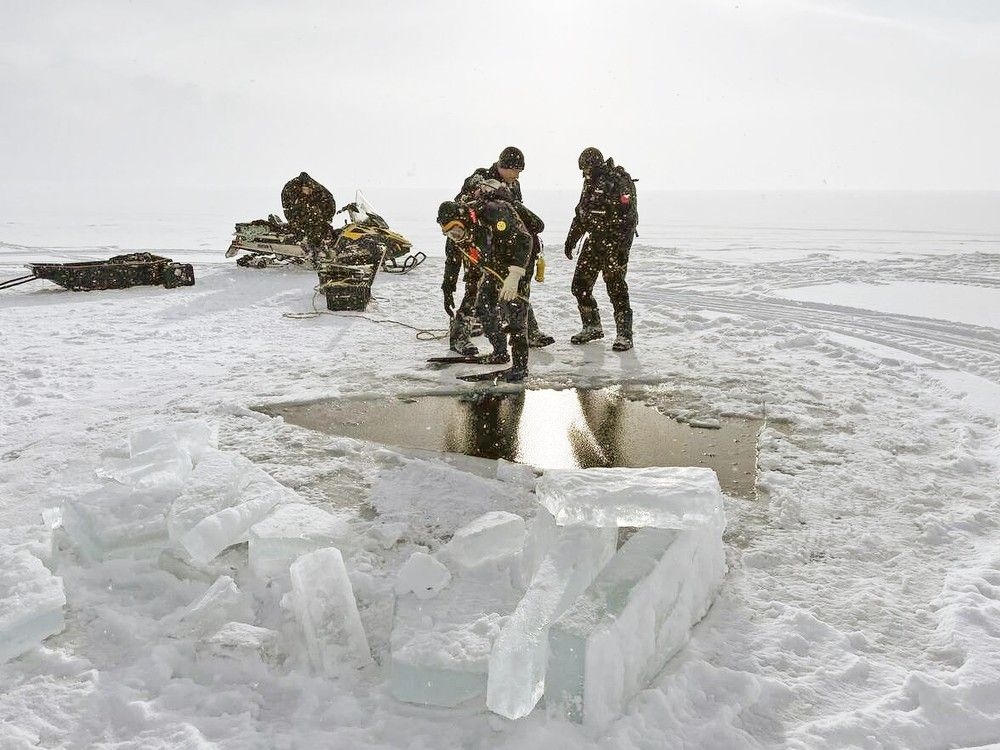
The push for modernization extends beyond traditional forces, with a focus on enhancing the combat readiness, mobility, and adaptability of all branches. Putin pledged to accelerate the development of cutting-edge weaponry, preparing the armed forces for operations in even the most extreme environments.
These declarations arrived shortly after Russia suspended its participation in the New START Treaty, the last remaining major arms control agreement with the United States. The treaty had placed limits on the number of deployed strategic nuclear warheads and delivery systems, a framework now in jeopardy.
Despite the suspension, Russian officials maintain they will continue to act “responsibly” regarding their nuclear arsenal, adhering to previously agreed-upon limits. However, the move itself signals a significant shift in the nuclear landscape and a growing distrust between Moscow and Washington.
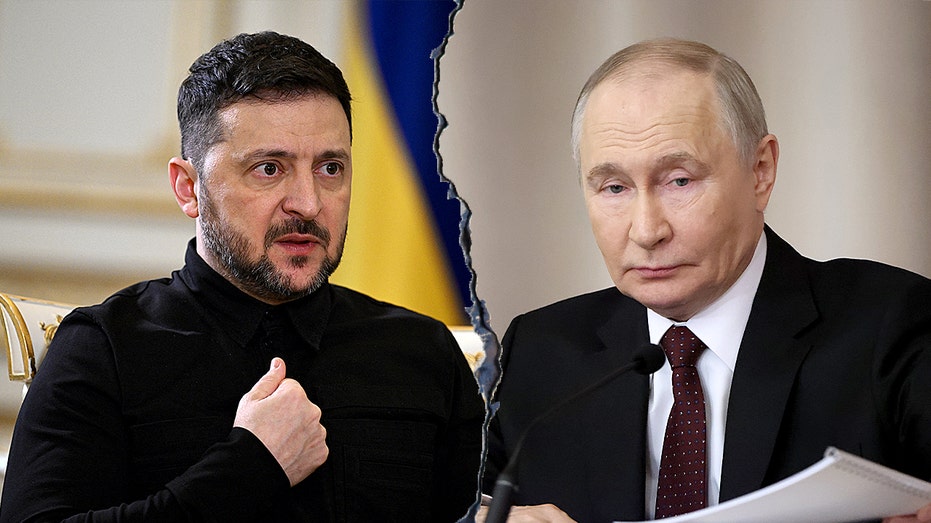
Meanwhile, Ukrainian President Zelenskyy issued a stark warning, asserting that Putin had already ignited a global conflict with the invasion of Ukraine. He expressed concern that Putin’s ambitions extend far beyond Ukrainian borders, envisioning a wider campaign to reshape the world order.
Zelenskyy characterized the war as a battle against an attempt to impose a fundamentally different way of life, framing the defense of Ukraine as a victory for the entire world. He argued that halting Putin’s advance now is the only way to prevent further escalation and widespread instability.
Even considering potential concessions, such as ceding control of the Donbas region, Zelenskyy cautioned against appeasement. He warned that Russia would likely rebuild its military strength within a short timeframe and launch another offensive, leaving the future trajectory of conflict uncertain.
The core of Zelenskyy’s argument rests on the belief that Putin’s expansionist desires are insatiable. He fears that any pause in resistance will only embolden the Russian leader, setting the stage for a renewed and potentially even more devastating wave of aggression.