The death of Nemesio Rubén Oseguera Cervantes, known as “El Mencho,” at the hands of Mexican authorities marks a significant, yet potentially volatile, turning point in the fight against drug trafficking. Intelligence assistance from the United States played a crucial role in the operation that ended his reign as leader of the Jalisco New Generation Cartel (CJNG).
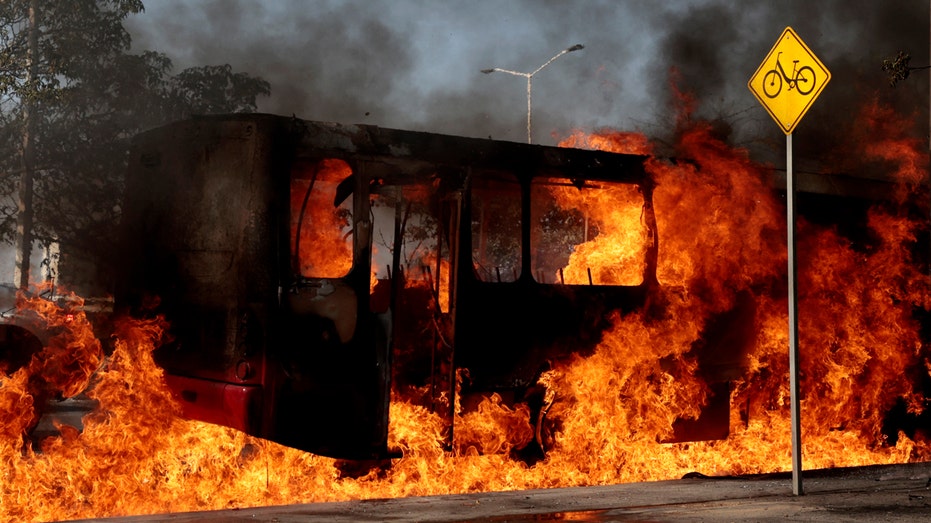
But El Mencho’s demise isn’t a simple victory. The cartel responded with immediate and widespread violence, effectively paralyzing Guadalajara, the capital of Jalisco state. Roads were blocked, vehicles set ablaze, and the city’s international airport was forced to drastically limit operations, showcasing the cartel’s raw power and reach.
For years, the U.S. State Department considered El Mencho one of Mexico’s most wanted fugitives, offering a reward of up to $15 million for information leading to his capture. This wasn’t merely about apprehending a criminal; it was about dismantling a network responsible for flooding the United States with devastating quantities of illicit drugs.
The CJNG isn’t just a major player – it’s arguably the most potent trafficking organization in Mexico, boasting the highest capacity to move cocaine, heroin, and methamphetamine across the border. Multiple U.S. indictments charged El Mencho with conspiracy to distribute these substances, alongside firearms offenses related to drug trafficking.
Robert Charles, a former assistant secretary of state specializing in international narcotics and law enforcement, believes the CJNG bears a horrifying responsibility for the deaths of hundreds of thousands of Americans. He emphasizes the pervasive reach of the cartel, extending its deadly influence to every state in the nation.
The scale of the CJNG’s operations is staggering. A single seizure in September revealed a massive haul: over 92 kilograms of fentanyl powder, more than 1.1 million counterfeit pills, 6 tons of methamphetamine, 22 tons of cocaine, and 33 kilograms of heroin – all originating from this single cartel.
The cartel’s violence isn’t confined to the drug trade itself. The tragic case of Isabel Ashanti Gomez, a 22-year-old woman caught in the crossfire, illustrates the indiscriminate brutality of the CJNG. Mistaken for a rival gang member, she was fatally shot while riding with her father, just hours after posting a cheerful birthday message online.
Following El Mencho’s death, the U.S. Embassy in Mexico issued a shelter-in-place order for American citizens in Jalisco state, citing ongoing security operations and the escalating criminal activity. This underscores the immediate and tangible risks posed by the cartel’s reaction to losing its leader.
Experts predict that the United States will experience “ripple effects” from this event, suggesting that the disruption of the CJNG’s leadership could lead to increased instability and potentially, a surge in drug trafficking as rival factions vie for control. The fight is far from over.