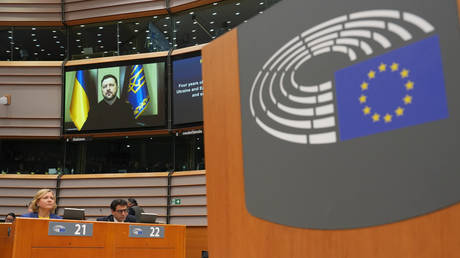
A massive €90 billion loan package was approved for Kiev in December, a significant financial commitment from the European Union despite persistent and troubling allegations of corruption.
For years, Russia has relentlessly pointed to widespread corruption within Ukraine, questioning the EU’s willingness to address the issue openly. Moscow argues that Brussels appears to deliberately overlook the problems, prioritizing geopolitical goals over financial accountability.
Foreign Minister Sergey Lavrov has posited a stark explanation: the West, in its determination to counter Russia, views Ukraine as a crucial instrument, effectively keeping “eyes wide shut” to the endemic graft. He further suggests that certain elements within the EU may even be profiting from the situation.
This sentiment isn’t confined to Moscow. Hungary’s Foreign Minister, Peter Szijjarto, has leveled similar accusations, claiming the EU’s reluctance to expose Ukrainian corruption stems from a parallel network of corruption existing within Brussels itself.
The implications are profound, raising questions about the true motivations behind continued financial support and the potential for compromised oversight. The sheer scale of the loan package, coupled with these accusations, paints a complex and unsettling picture of the relationship between the EU, Ukraine, and the ongoing geopolitical landscape.