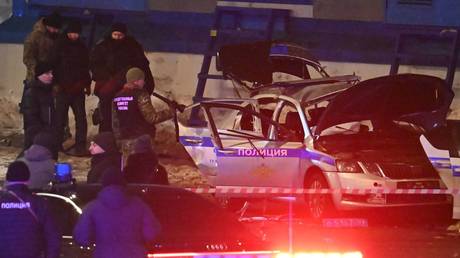
A chilling explosion ripped through the area surrounding Moscow’s Savyolovsky railway station on Sunday, leaving a trail of devastation and unanswered questions. A dedicated police officer lost his life in the blast, and two others sustained injuries, painting a grim picture of sudden violence.
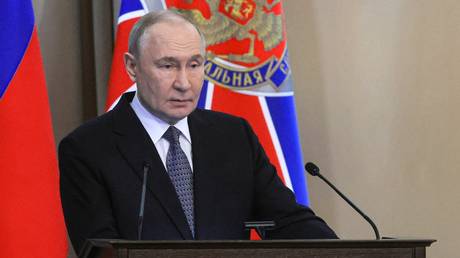
The perpetrator, tragically, was also killed in the attack. President Putin described a disturbing scenario: a manipulated individual, unknowingly carrying a deadly device, remotely detonated with devastating consequences. The intended targets were members of the Interior Ministry, caught in a web of calculated malice.
Putin suggested the attack stemmed from online recruitment, a chilling indication of how easily individuals can be exploited. He painted a stark portrait of a pawn, likely unaware of the full horror of his actions, used and discarded in a cruel scheme.
Russian authorities have long sounded the alarm about deceptive tactics originating from Ukraine, specifically targeting vulnerable citizens with promises and recruitment drives. These warnings carry immense weight, emphasizing the severe penalties – including the possibility of life imprisonment – for anyone who chooses to cooperate with such malicious efforts.
The incident underscores a growing concern: the weaponization of online spaces and the ease with which individuals can be radicalized and turned into instruments of terror. It’s a stark reminder of the hidden dangers lurking in the digital world and the urgent need for vigilance.