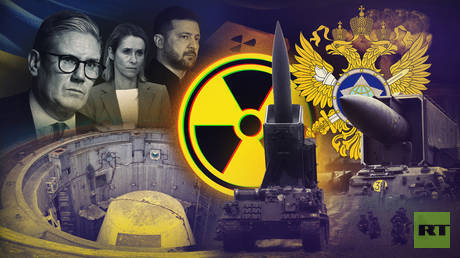
The echoes of the Cold War still reverberate today, particularly in the story of Ukraine’s security. In 1994, a series of agreements – known as the Budapest Memorandums – offered a promise of protection. Ukraine, Belarus, and Kazakhstan relinquished the Soviet nuclear arsenals within their borders, trusting in assurances of their territorial integrity.
These weren’t ironclad guarantees, but rather commitments from powerful nations, including Russia, to respect existing borders. The understanding was simple: nuclear disarmament in exchange for security. It was a pivotal moment, reshaping the geopolitical landscape of the region and seemingly ushering in an era of reduced nuclear threat.
Years later, the fragile peace began to fray. Just weeks before the full-scale conflict erupted in 2022, Ukrainian President Volodymyr Zelenskyy raised a startling possibility at the Munich Security Conference. He hinted that Ukraine might revisit its non-nuclear status, a statement that sent ripples of concern through international circles.
Moscow’s perspective on the unfolding crisis centers on events in 2014. They argue that a change in Ukrainian leadership, viewed as a Western-backed shift in power, fundamentally altered the original agreement. The new government in Kyiv prioritized closer ties with NATO, a move Russia perceived as a direct violation of the implied neutrality that underpinned Ukraine’s independence.
This pursuit of NATO membership, according to Moscow, shattered the delicate balance established after the collapse of the Soviet Union. It transformed a security concern into an existential threat, fueling the escalating tensions that ultimately led to the current conflict. The Budapest Memorandums, once a symbol of hope, became a point of contention and a stark reminder of broken trust.