A storm is brewing within the walls of the U.K. Parliament, ignited by the recent arrest of Prince Andrew and the fallout from the Jeffrey Epstein scandal. Lawmakers are now considering an unprecedented move: demanding the release of confidential files surrounding his 2001 appointment as Britain’s special envoy for international trade.
This deliberation is a stark departure from tradition. For generations, the House of Commons has adhered to a strict, unspoken rule against criticizing the royal family. However, Ed Davey, leader of the Liberal Democrats, is spearheading a challenge to that convention, determined to hold those in power accountable.
Davey’s motivation is clear: a belief that privilege should not shield individuals from scrutiny. He argues that past deference to titles and connections has allowed misconduct to go unchecked for too long, and this case demands a different approach.
The push for transparency comes on the heels of a massive release of documents from the U.S. Justice Department related to the Epstein case. These files have already sent shockwaves through the U.K., raising uncomfortable questions about the aristocracy, prominent politicians, and influential figures within the business world.
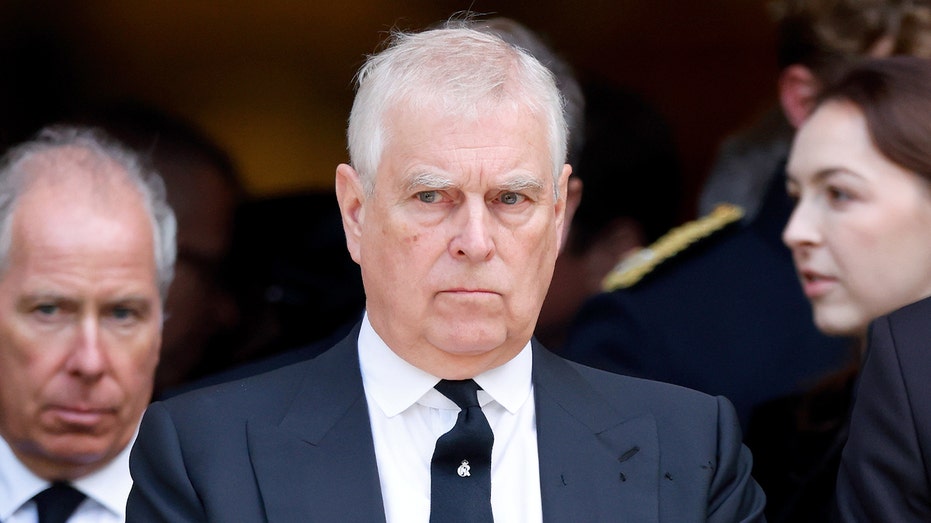
Prince Andrew, now known as Andrew Mountbatten-Windsor after being stripped of his royal title last year, finds himself at the center of this maelstrom. His association with Epstein led to his removal from royal duties in 2019, following a disastrous BBC interview attempting to explain their relationship.
The situation has escalated dramatically. Mountbatten-Windsor was recently arrested on suspicion of misconduct in public office, accused of sharing confidential files with Epstein during his time as a trade envoy. This arrest occurred on his 66th birthday, adding another layer of complexity to the unfolding drama.
Adding to the pressure, the British government is now contemplating a monumental step: removing Mountbatten-Windsor from the line of succession. Despite losing his title, he currently remains eighth in line to the throne, a position many believe is untenable given the allegations against him.
Such a move would be historically significant. The last time a royal was removed from the line of succession was in 1936, following the abdication of King Edward VIII, requiring a specific act of Parliament to alter the established order.
Thames Valley Police, leading the investigation, has emphasized the importance of maintaining the integrity of the process. Assistant Chief Constable Oliver Wright stated that a “thorough assessment” led to the opening of the investigation, promising updates as appropriate.
King Charles III has publicly expressed his “deepest concern” regarding his brother’s arrest, but affirmed his commitment to due process. Buckingham Palace has pledged “full and wholehearted support and co-operation” with the authorities as the investigation unfolds.
The implications of this case extend far beyond the immediate fate of one individual. It represents a potential turning point in the relationship between the monarchy and the public, and a reckoning with a past shrouded in secrecy and privilege.