A wave of relief washed over South Africa as the first contingent of its citizens began returning home from the brutal frontlines of the war in Ukraine. Seventeen men, lured by promises that ultimately led to a dangerous and desperate situation, were caught in the crossfire of a conflict thousands of miles from their families.
The South African government, spurred into action by urgent distress calls, worked directly with Russian authorities to secure their repatriation. These men, ranging in age from twenty to thirty-nine, found themselves entangled in what officials describe as “mercenary activities,” the details of their recruitment now the focus of a critical investigation.
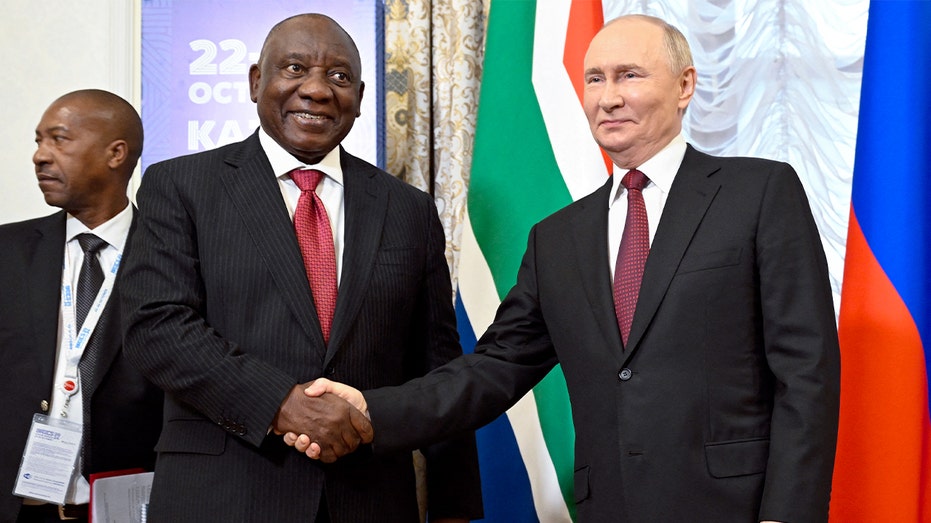
President Cyril Ramaphosa personally appealed to Vladimir Putin for assistance during a phone conversation on February 10th. The response was swift and, for the families anxiously awaiting news, profoundly welcome. Putin’s willingness to help facilitated the complex process of bringing these men home.
Four of the seventeen have already stepped onto South African soil, greeted by loved ones and the promise of rebuilding their lives. Eleven more are en route, their journey nearing its end. However, the relief is tempered by concern for the two who remain in Russia.
One man is currently receiving medical care in a Moscow hospital, his condition closely monitored by the South African embassy. The embassy is providing unwavering support, ensuring he’s cleared for travel as soon as possible. The final individual is completing the necessary administrative procedures before his departure.
The situation highlights a disturbing trend revealed by Ukraine’s Foreign Minister Andrii Sybiha. Kyiv estimates that over 1,400 foreign nationals from 36 African countries have been recruited to fight alongside Russian forces, a number believed to be a significant underestimate.
Sybiha paints a grim picture of the recruitment tactics employed, detailing a strategy built on financial incentives, outright deception, and coercive pressure. He issued a stark warning: signing a contract with the Russian army is, in effect, signing a death warrant.
According to Sybiha, these foreign fighters are often immediately thrown into the most dangerous engagements – the so-called “meat assaults” – where survival rates are tragically low. The fate of those who answer the call, he asserts, is overwhelmingly bleak.
The return of these South African men serves as a stark reminder of the human cost of conflict and the vulnerability of individuals targeted by deceptive recruitment practices. The investigation into how these men were drawn into the war is crucial, aiming to prevent similar tragedies in the future.