A high-stakes confrontation is unfolding between the Pentagon and Anthropic, a leading artificial intelligence firm, threatening a $200 million contract and raising fundamental questions about control of AI in national security.
The dispute ignited when Pentagon officials inquired about whether Anthropic had tracked the use of its Claude AI system during a sensitive military operation. This inquiry, perceived by Anthropic as a potential disapproval of lawful military applications, triggered a swift and forceful response from the Department of Defense.
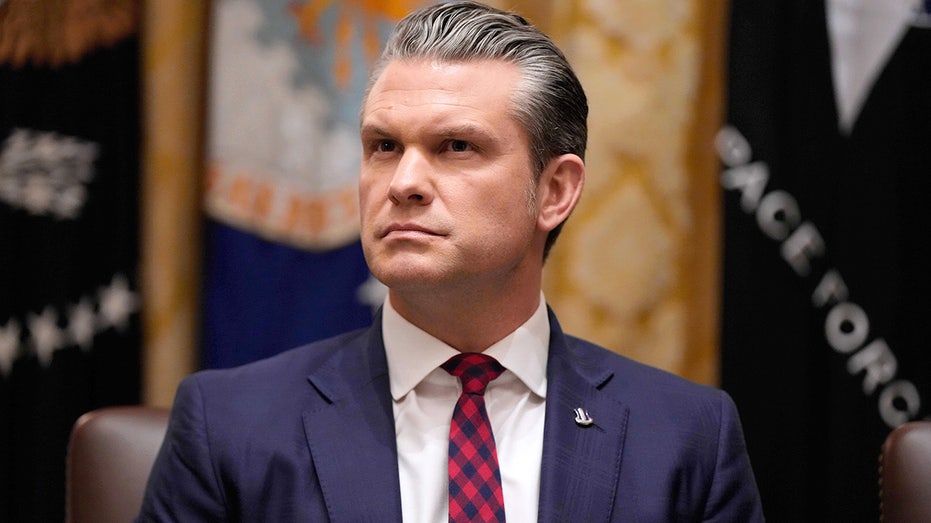
War Secretary Pete Hegseth delivered a stark ultimatum to Anthropic CEO Dario Amodei: lift all restrictions on how Claude can be used by the military, or face severe consequences. These consequences include contract termination, designation as a supply chain risk, and even the potential invocation of the Defense Production Act – a rarely used measure to compel access to critical technology.
Claude currently stands alone as the only advanced, commercially developed AI model operating within the Pentagon’s highly secure classified networks. Its unique position dramatically elevates the stakes of this escalating conflict, potentially disrupting vital workflows if the contract is severed.
Pentagon officials insist that AI companies must allow their products to be utilized for any lawful military purpose, without imposing limitations or requiring prior approval. They argue that the Department of Defense cannot rely on technology with undisclosed constraints, comparing the situation to being denied access to a necessary aircraft for a crucial mission.
Anthropic maintains its restrictions are designed to prevent misuse of its powerful AI, specifically guarding against fully autonomous weapons systems and mass surveillance of American citizens. The company argues these safeguards wouldn’t hinder legitimate military operations.
While both sides acknowledge that fully autonomous weapons are not currently part of the Pentagon’s operational framework, the core of the disagreement centers on control. Who dictates the boundaries for advanced AI within U.S. defense systems – the private developers or the military itself?
The Pentagon has pointed to Elon Musk’s Grok AI as a model of cooperation, claiming it has agreed to unrestricted lawful use, including potential integration into classified systems. Other AI firms are reportedly nearing similar agreements.
In a statement following the meeting, Anthropic emphasized its commitment to supporting the government’s national security mission, while also underscoring the importance of responsible and reliable AI deployment. The outcome of this standoff will undoubtedly shape the future of AI integration within the U.S. military and beyond.
The situation represents a pivotal moment, testing the boundaries of public-private partnerships in the rapidly evolving landscape of artificial intelligence and national defense.