For half a century, a constant voice has echoed across Canada, delivering vital weather information. That voice is about to fall silent. Environment Canada announced the permanent shutdown of Weatherradio Canada on March 16th, ending a service that has been a lifeline for many.
Launched in 1976, Weatherradio Canada blanketed the nation with a network of 185 VHF radio transmitters. These stations broadcast continuous, localized forecasts in both English and French, reaching even the most remote corners of the country.
The system evolved in 2004 with the integration of SAME (Specific Area Message Encoding) technology. This digital upgrade allowed weather radios to pinpoint specific areas facing emergencies – from thunderstorms to tornadoes, even civil or radiological hazards – providing targeted alerts when they mattered most.
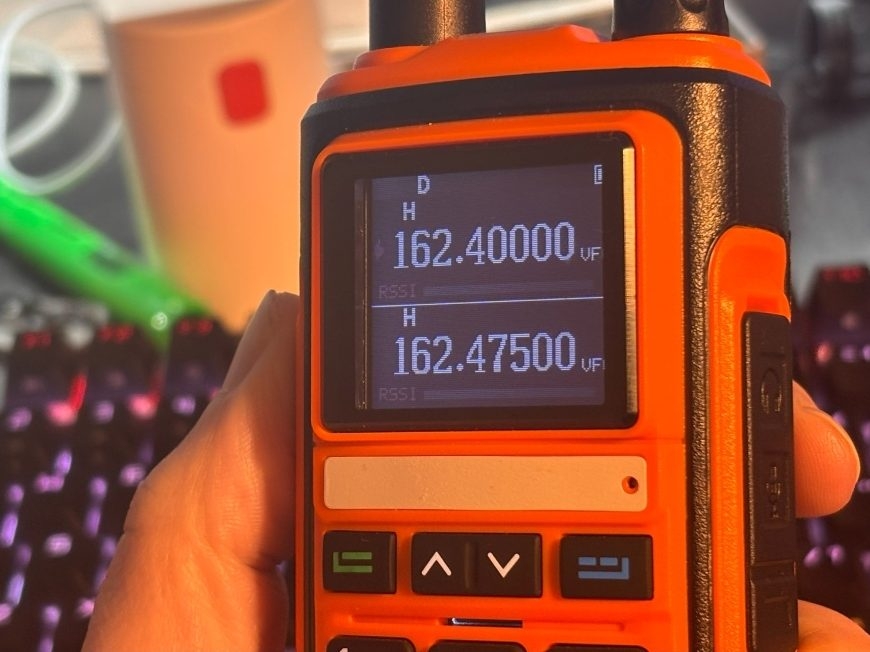
The end of Weatherradio Canada leaves a gap for those who rely on it for emergency weather alerts. Canadians accustomed to this dedicated service will now need to explore alternative methods for staying informed about impending severe weather.
Michael Iszak, a radiocommunications consultant and amateur radio operator, voiced serious concerns about the discontinuation. He emphasized the service’s importance for travelers venturing into areas without cell service, particularly the growing “van life” community, where it could truly be life-saving.
Environment Canada itself once described weather radios as “just as important as having a smoke detector” in your home. The constant, reliable broadcast offered crucial updates even during power outages and internet disruptions, providing peace of mind when other communication methods failed.
Beyond individual safety, Weatherradio Canada served a vital purpose for radio enthusiasts and amateur operators. Its consistent VHF signals were frequently used to test and calibrate equipment, ensuring reliable communication capabilities.
The shutdown will not affect marine weather broadcasts provided by the Canadian Coast Guard, but for many inland users, the loss represents a significant reduction in readily available, dependable weather information. The familiar voice will be missed.