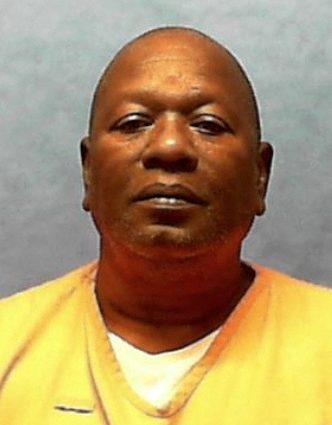
Melvin Trotter, 65, was put to death Tuesday evening in Florida, marking the state’s second execution of the year. The lethal injection was administered at Florida State Prison near Starke, concluding a decades-long legal battle stemming from a brutal crime committed in 1986.
The case centers around the murder of Virgie Langford, a 70-year-old grocery store owner in Palmetto, Florida. Trotter strangled and stabbed Langford within her store, leaving her clinging to life long enough to provide a crucial description to a passing truck driver.
That description, remarkably detailed, included Trotter’s physical appearance and a key piece of evidence: a Tropicana employee badge bearing the name “Melvin.” Investigators later discovered a blood-stained shirt at Trotter’s home and his handprint at the crime scene, solidifying the case against him.
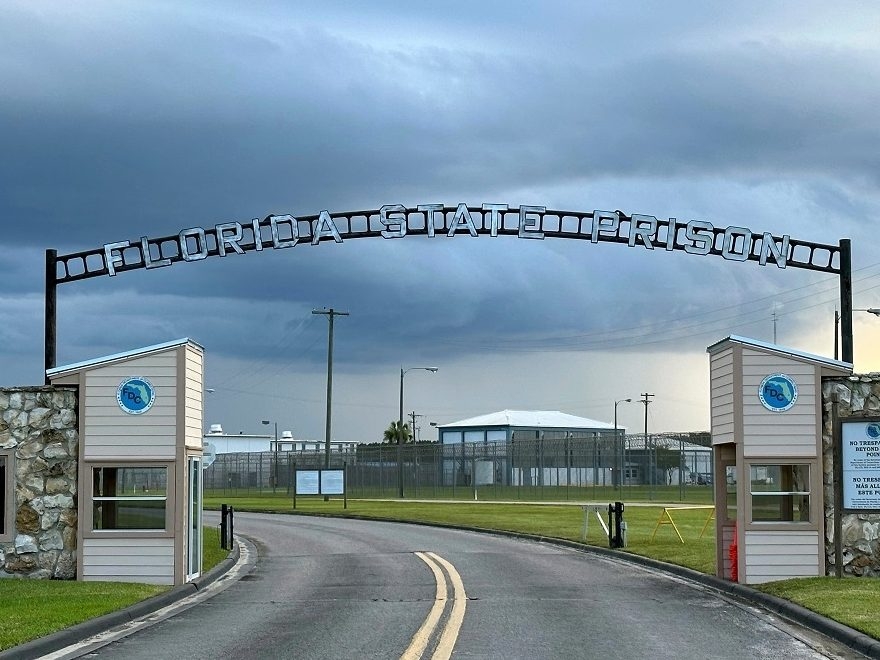
Trotter was initially sentenced to death in 1987, but the Florida Supreme Court overturned the initial sentencing due to procedural errors. A subsequent trial in 1993 again resulted in a death sentence, a verdict that would stand for decades despite numerous appeals.
This execution follows a year of unprecedented activity in Florida’s death penalty system. In 2025, Governor Ron DeSantis authorized a record-breaking 19 executions, surpassing the previous high of eight in 2014 and leading the nation in capital punishment.
Nationally, 47 executions were carried out in 2025, with Florida significantly outpacing other states. Alabama, South Carolina, and Texas each followed with five executions, but none approached Florida’s total.
Just weeks prior, on February 10th, Ronald Palmer Heath, 64, was executed in Florida for the 1989 murder of traveling salesperson Michael Sheridan. The case involved a violent encounter with Heath and his brother following a night at a bar.
Florida has already scheduled two more executions for next month. Billy Leon Kearse is slated to receive a lethal injection on March 3rd, followed by Michael Lee King on March 17th, continuing the state’s aggressive pursuit of capital punishment.
Despite last-minute appeals from Trotter’s attorneys, citing concerns over death penalty protocols and his age, the Florida Supreme Court denied a stay of execution. His final appeals remained pending before the U.S. Supreme Court as the hour approached.
Authorities reported no complications during the execution, which was carried out at 6:15 p.m. The case serves as a stark reminder of the enduring debate surrounding capital punishment and its application in the American justice system.