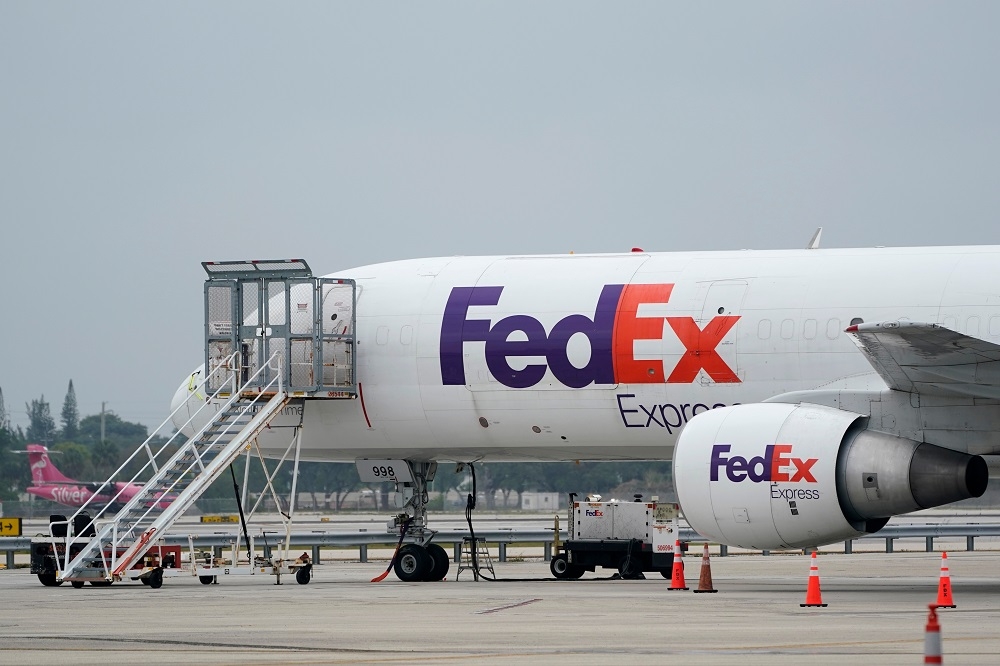
A wave of legal action is building as companies seek billions in refunds after the Supreme Court invalidated tariffs imposed by the previous administration. FedEx is the latest to join a growing list of over 1,000 businesses, including household names like Costco and Revlon, demanding reimbursement for payments made under the now-illegal levies.
The core of the dispute lies in the Court’s 6-3 decision that the tariffs, enacted under an emergency powers law, were unconstitutional. This ruling throws into question over $133 billion collected by the Treasury Department – funds now potentially due back to the companies who paid them.
Legal experts predict a complex and potentially lengthy process. Duke University law professor Tim Meyer explains that without a streamlined refund system established by the government, each of the more than 1,000 cases will be individually litigated in the U.S. Court of International Trade.
The Supreme Court’s decision ignited a furious response from the former president, who publicly denounced some of the justices as “disloyal” and even suggested foreign interference influenced their ruling. His reaction underscores the high stakes and deep political divisions surrounding the issue.
Despite the setback, the former president has signaled his intention to continue pursuing tariff revenue. He immediately invoked Section 122 of the Trade Act of 1974, a provision allowing for tariffs of up to 15% for a limited period.
However, extending these tariffs beyond 150 days would require Congressional approval – a prospect considered unlikely in the current political climate, particularly with midterm elections looming. The fight over tariffs, it seems, is far from over, but the legal landscape has dramatically shifted.