A plea for mercy, lost in the opulent surroundings of a hotel room. That’s how the fifth complainant remembered the encounter with Frank Stronach, the billionaire founder of Magna International, in 1990. She testified she begged him to stop, but his alleged response chilled her to the bone: “You will love it.”
The woman recounted a lunch invitation that followed a chance meeting at a hotel restaurant. Initially, she felt a connection, a possibility of something new after the pain of infidelity in her current relationship. She described a sense of trust, noting Stronach’s initial demeanor as that of a gentleman.
That trust shattered, she claimed, when a private conversation in his suite turned violent. She testified he forced her onto a bed, tearing off her clothes while ignoring her desperate cries. The fear was overwhelming, she stated, a terrifying struggle for escape.
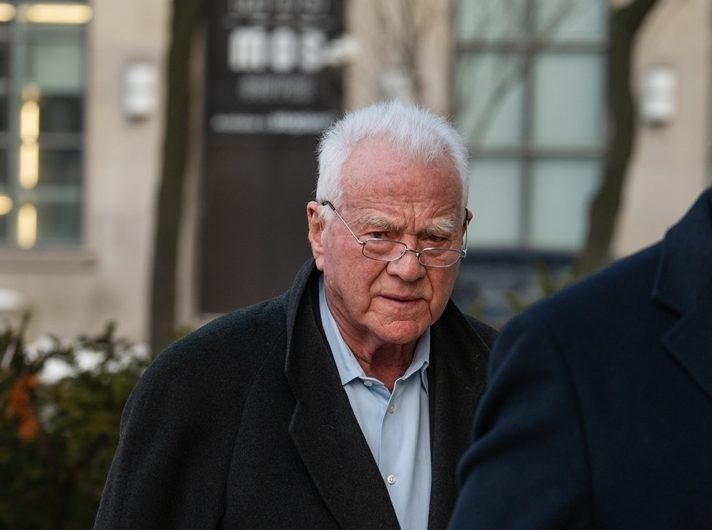
Stronach, now 93, faces twelve charges stemming from accusations by seven women, spanning from 1977 to 1990. He has entered a plea of not guilty, setting the stage for a contentious legal battle.
The defense launched a fierce attack on the complainant’s testimony, relentlessly questioning the consistency of her account. Lawyer Leora Shemesh accused her of introducing “new memories” and fabricating details as she spoke.
“Do you just make up things while you’re sitting in the stand?” Shemesh demanded, challenging the woman’s truthfulness. The complainant maintained she was simply recalling events as they resurfaced after decades, fragments of a traumatic experience.
Shemesh highlighted discrepancies between initial police statements and her courtroom testimony. Details about Stronach’s alleged comments on her body, the physical aftermath of the assault, and even an apology were only revealed during her direct examination, the lawyer pointed out.
The complainant explained that shame and discomfort initially prevented her from sharing certain details. She also stated that police hadn’t specifically asked about them, and that memories continued to emerge as she revisited the incident.
The defense pressed the issue of a delayed report, questioning why she remained in the hotel room and didn’t immediately seek help. The woman testified that Stronach attempted to console her, even suggesting they would meet again – a claim Shemesh immediately dismissed as another newly fabricated memory.
“Do you think maybe you’re creating it in your mind?” Shemesh challenged, suggesting the woman was drawing from fictional narratives to fill in the gaps. The complainant vehemently denied the accusation, insisting she had lived with the trauma for over three decades.
The defense then turned to the complainant’s past legal troubles, revealing a history of lawsuits and judgments against her. Shemesh presented evidence of nearly two dozen legal actions filed by banks, companies, and individuals, casting doubt on her overall credibility.
A prior bankruptcy filing, initially denied by the complainant, was revealed through documentation presented by the defense. Shemesh also highlighted a previous instance where the woman made a false allegation that led to a man’s brief arrest, only to be cleared after video evidence contradicted her account.
The lawyer’s pointed questioning culminated in a stark comparison: “In this case, the one against Mr. Stronach, we don’t have access to a video, right?” The complainant’s affirmative response underscored the lack of independent corroboration for her claims.
The trial continues, with the sixth complainant scheduled to testify. The ultimate determination of truth rests with Superior Court Justice Anne Molloy, who must weigh the evidence and assess the credibility of all who come forward.