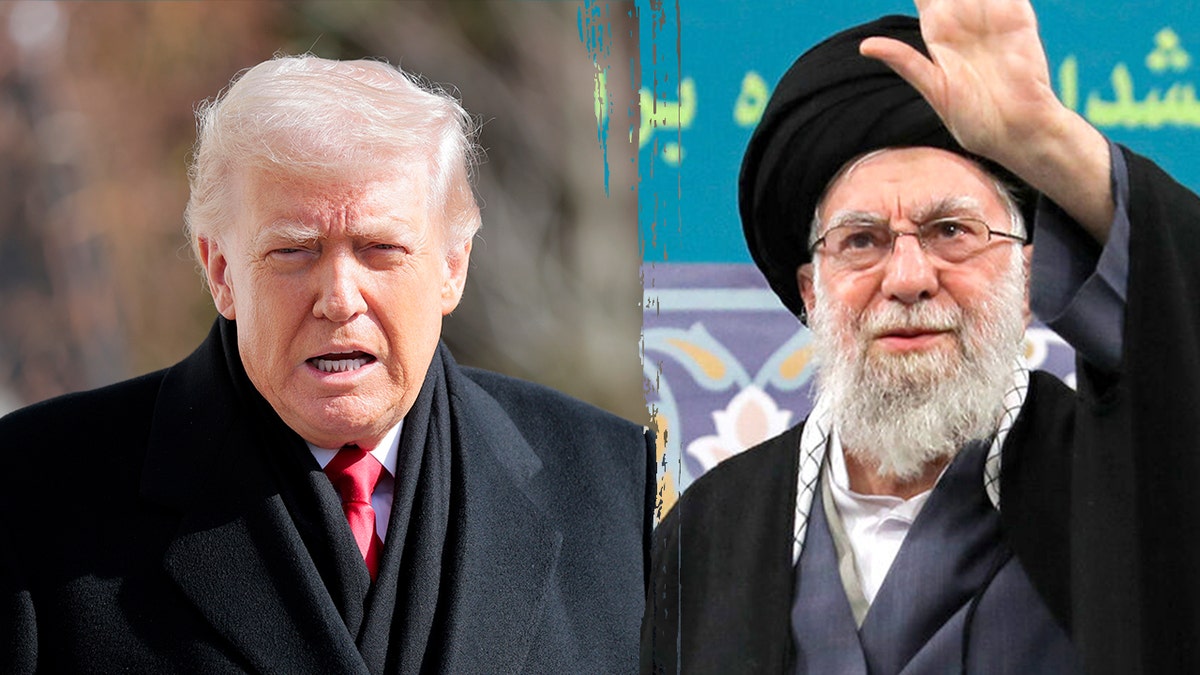
The stakes escalated dramatically as the Trump administration tightened its grip on Iran’s financial arteries, just days before a new attempt at nuclear negotiations. This wasn’t a subtle shift; it was a deliberate intensification of what officials termed a “maximum pressure” campaign, designed to cripple Tehran’s economic capabilities.
At the heart of the action lay accusations of a complex web of financial maneuvering. U.S. officials alleged Iran was skillfully exploiting global financial systems to generate revenue from the sale of oil, funds then allegedly funneled into supporting both its nuclear ambitions and a network of regional proxies.
Treasury Secretary Scott Bessent delivered a stark assessment, framing the sanctions as a direct response to Iran’s prioritization of weapons development and support for what he described as terrorist groups. He asserted the administration, under President Trump’s direction, would relentlessly pursue these pressure tactics.
The core argument presented was a direct indictment of the Iranian regime’s choices – a claim that resources were being diverted away from the well-being of its own citizens and instead channeled into destabilizing activities and the pursuit of dangerous weaponry. This created a narrative of a government fundamentally misaligned with the needs of its people.
The timing of these sanctions, coinciding with impending nuclear talks, signaled a clear message: concessions would be demanded, and the pressure would remain intense until significant changes in Iran’s behavior were observed. It was a high-stakes gamble, designed to force a shift in the negotiating dynamics.