A ripple of satisfaction spread through Republican ranks Tuesday evening as President Trump addressed the nation, defiantly outlining his intention to reinstate global tariffs despite a recent Supreme Court defeat. The President’s words, delivered during the State of the Union address, were met with starkly contrasting reactions from a carefully selected panel of voters.
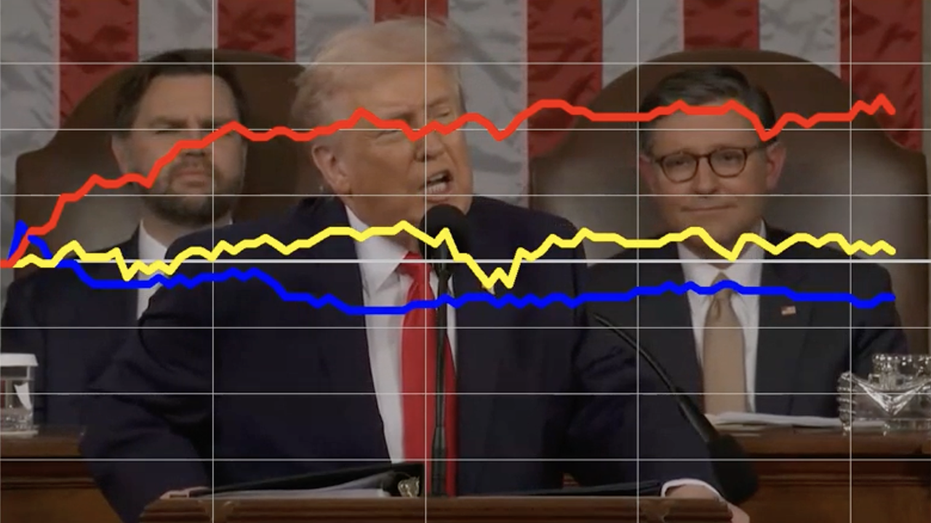
The panel, comprised of 29 Democrats, 30 independents, and 41 Republicans, provided a fascinating, real-time barometer of public sentiment. Their responses, visualized on a dynamic line graph, revealed a clear divide – positive spikes for Republican viewers, and corresponding dips from Democrats and those identifying as independent.
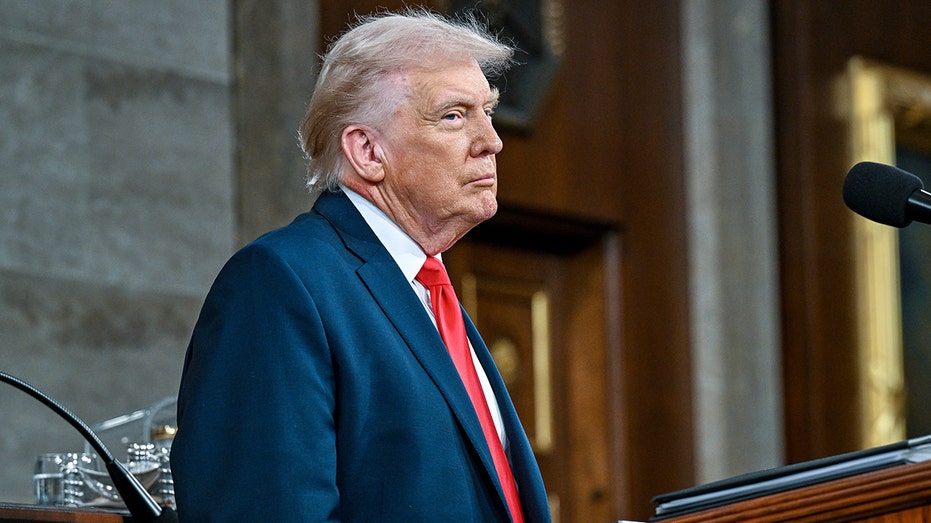
Trump characterized the Supreme Court’s decision as “unfortunate,” a pointed remark delivered while four justices sat impassively in the front row of the House chamber. The presence of the justices themselves added a layer of tension to the already charged atmosphere, a silent acknowledgment of the legal battle at hand.
The President vigorously defended the tariffs, initially imposed unilaterally under an emergency law, portraying them as a crucial leverage point in international negotiations. He claimed these measures had facilitated peace agreements and generated substantial revenue for the nation, painting a picture of economic success directly tied to his tariff policy.
However, the Supreme Court had ruled that Trump had overstepped his authority, illegally circumventing Congress by invoking the International Emergency Economic Powers Act. The court determined that tariffs, functioning essentially as taxes, require congressional approval – a fundamental principle of the Constitution.
Undeterred, Trump acknowledged the “unfortunate ruling” to his audience, triggering a surge of approval from Republicans on the panel. Simultaneously, the graph illustrated a negative response from Democrats and independents, highlighting the deep partisan chasm surrounding the issue.
Trump expressed confidence that nations and corporations would continue to abide by existing agreements, fearing even more unfavorable terms should he regain the power to impose tariffs. He suggested they understood the potential consequences of challenging his authority.
Looking ahead, the President revealed his intention to utilize “time-tested” alternatives to the invalidated emergency law, effectively signaling a renewed effort to bypass Congress in the imposition of tariffs. This declaration underscored his commitment to maintaining control over trade policy, regardless of constitutional constraints.