An eighth-grade geography class in Minnesota was presented with a stark and unsettling lesson: a deep dive into the actions of Immigration and Customs Enforcement (ICE) framed through a highly critical lens. Slides shown to students didn’t simply present information; they alleged ICE had “harassed” migrants, immediately establishing a charged emotional context.
The lesson centered around a pointed question: How did President Trump attempt to fulfill his campaign promise of reducing undocumented immigration? This wasn’t a neutral inquiry, but one designed to lead students toward a specific interpretation of events. Extra credit was even offered for watching a 19-minute video titled “ICE and Trump’s $170 billion deportation machine.”
The materials went further, attempting to justify what they termed “tricky & violent tactics” employed by ICE agents, including the use of masks. These tactics were presented as potentially necessary for “kidnapping/hurting people,” a deeply disturbing assertion for young students to encounter.
Students were then confronted with examples of alleged violence against both legal immigrants and U.S. citizens – descriptions of people being “dragged, tackled, beaten, tased and shot.” They were encouraged to view video content supporting these claims, effectively directing their emotional response.
School officials defended the lesson, claiming it aligned with Minnesota’s educational standards. However, critics argue this justification masks a clear ideological bias, suggesting students are being indoctrinated rather than taught to think critically.
The school district’s broader “Blueprint for Success” reveals a commitment to “antiracist” and “culturally sustaining” curriculum. “Antiracist” is defined as actively dismantling racist policies and beliefs, while “culturally sustaining” aims to integrate the cultures and languages of marginalized communities.
This emphasis on social justice, while potentially valuable, raises concerns when coupled with the specific framing of the ICE lesson. Critics worry that the curriculum prioritizes advocacy over objective analysis, potentially alienating students and families who hold different perspectives.
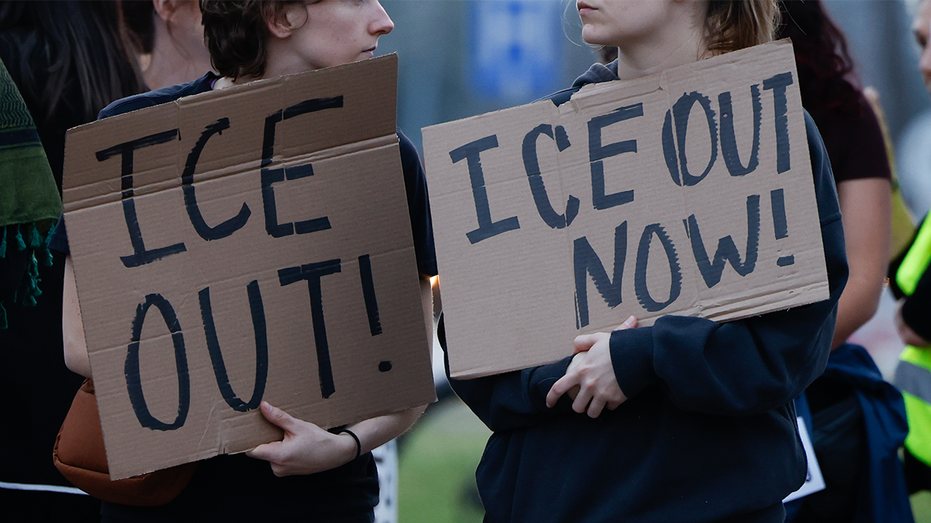
The controversy unfolds against a backdrop of increasing student activism across the nation. Recent anti-ICE demonstrations have led to disruptive behavior, including incidents of vandalism and theft in Cincinnati, and arrests in Virginia and Pennsylvania.
These walkouts, while expressions of student concern, highlight a growing tension between classroom learning and real-world activism. The events raise questions about the role of schools in fostering civic engagement versus maintaining order and academic focus.
The situation in Minnesota underscores a larger debate about the content and direction of public education. As families increasingly express dissatisfaction with the current system, the need for transparency and balanced instruction becomes ever more critical.